
Afraid of the Dentist? How Dental Treatment in Turkey Works When You Are Nervous
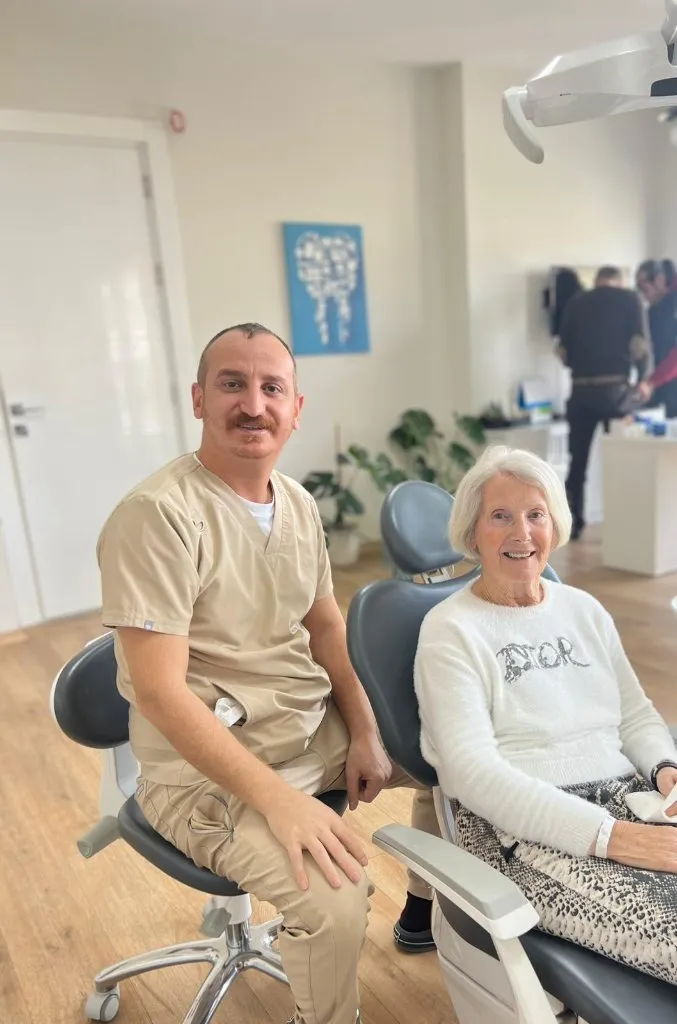
Yes, you can have dental treatment in Turkey if you are frightened of the dentist, and many nervous patients find it easier here than at home. The reason is not courage. It is planning: you know what will be done before you book, you agree a stop signal before anything starts, and nothing happens in the chair that you have not said yes to. If your fear is so strong that you cannot sit through a check-up at all, start at home first.
What frightens nervous patients most, and what can be done about each?
Fear of the dentist is rarely one fear. It is usually a handful of specific ones stacked on top of each other: not knowing what is coming, remembered pain, the feeling of lying back with no way to stop things, the noise, and for people who have stayed away for years, the embarrassment of showing their teeth to anyone. Each has a practical answer, and it helps to take them one at a time.
| What worries you | What changes it |
|---|---|
| Not knowing what will happen | A written plan from your photos within 24 hours, every step explained again before it starts |
| Pain | Local anaesthetic, given time to work fully, and more if you feel anything sharp |
| Losing control | A stop signal agreed in advance, usually a raised hand, and a pause every time you use it |
| Long sessions | Treatment split over appointments on different days, with breaks when you ask |
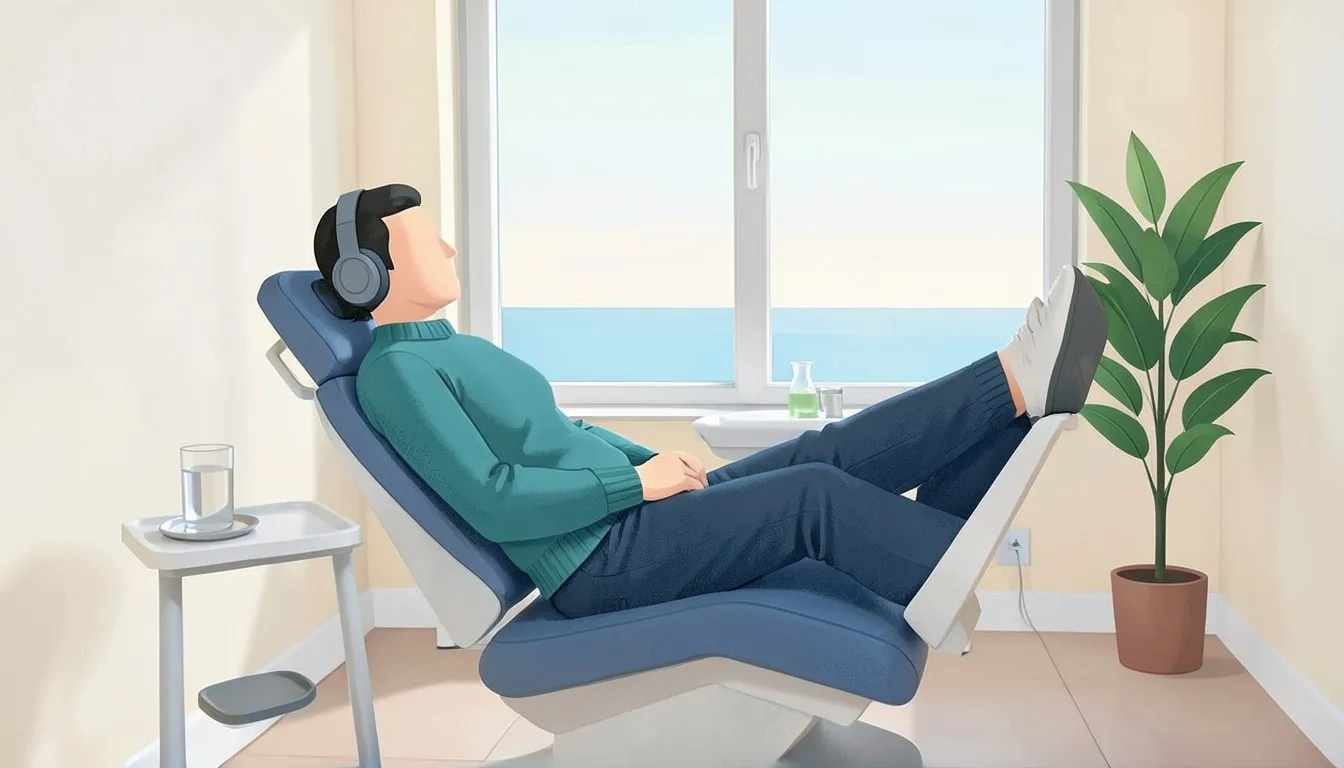
| The sound of the drill | Your own headphones and music are welcome |
| Shame after years away | No lectures. Most people who come here have waited a long time |
| Language | Explanations in English, German, Russian or Turkish |
None of this is special equipment. It is how anxious patients are looked after in any careful practice, and a review of strategies for dental anxiety lists the same tools: explaining before doing, the stop signal, relaxation breathing and distraction. What a trip to Side changes is the order of things. The plan is agreed before you arrive, so the first appointment is not also the first time you hear what you need.
How common is dental fear, really?
More common than most nervous people believe. A 2026 meta-analysis pooled 19 studies with 9,267 adults who had filled in the same anxiety questionnaire and found high dental anxiety in about 18% of them. That is roughly one adult in five or six, and it does not count the many more who are simply uneasy. The Oral Health Foundation describes the same pattern: fear keeps people away, the problems grow while they stay away, and the bigger treatment that eventually follows feeds the fear again.
That circle is worth breaking deliberately rather than waiting for a toothache to break it for you. Emergency visits are the worst possible introduction to a dentist: you arrive in pain, with no plan and no time. A planned visit, with the work described in advance, is the opposite.
Why can planning ahead help more than sitting in a waiting room?
Because most of the fear lives in not knowing. When you send 2‑3 photos of your teeth on WhatsApp, Dt. Mustafa Yunusoğlu looks at them personally and a written plan comes back within 24 hours. It lists what he sees, what he suggests, how many appointments it takes and how many days you need in Side. You can read it at home, at your own pace, show it to someone you trust and ask as many questions as you like before you decide anything.
Be clear with yourself about what photos can and cannot do. They show shape, colour and position. They do not show roots, bone or what sits under an old filling. The plan is confirmed by an examination and digital X-ray on the first day, and if anything changes, it is explained and written down before any treatment starts. Our guide on planning from photos sets out exactly where that line runs.
If you would rather start with questions than photos, that works too. Write to us on WhatsApp and say you are nervous; it is answered at any hour and there is no pressure to book.
What happens on the first day if you are anxious?
Tell us at the start, even if you think it shows. It changes how the appointment runs. The first visit is a conversation, an examination and an X-ray, not a drill. You sit up, not back, while the plan is discussed, and you agree the stop signal before the chair moves. If you want to see an instrument before it is used, ask. If you need a minute, raise your hand.
Local anaesthetic is given first and allowed to take full effect before anything else happens. You should feel pressure and vibration, not pain. If you feel something sharp, say so: more anaesthetic can be given, and it is better to stop for a moment than to push through. Many people find the injection itself was the part they feared most and the part that mattered least.
A step-by-step account of the whole day, from the hotel to the chair, is in our post about your first day at the clinic. Reading it the evening before takes a lot of the unknown out of the morning.
Which treatments are easiest to face, and which need the most preparation?
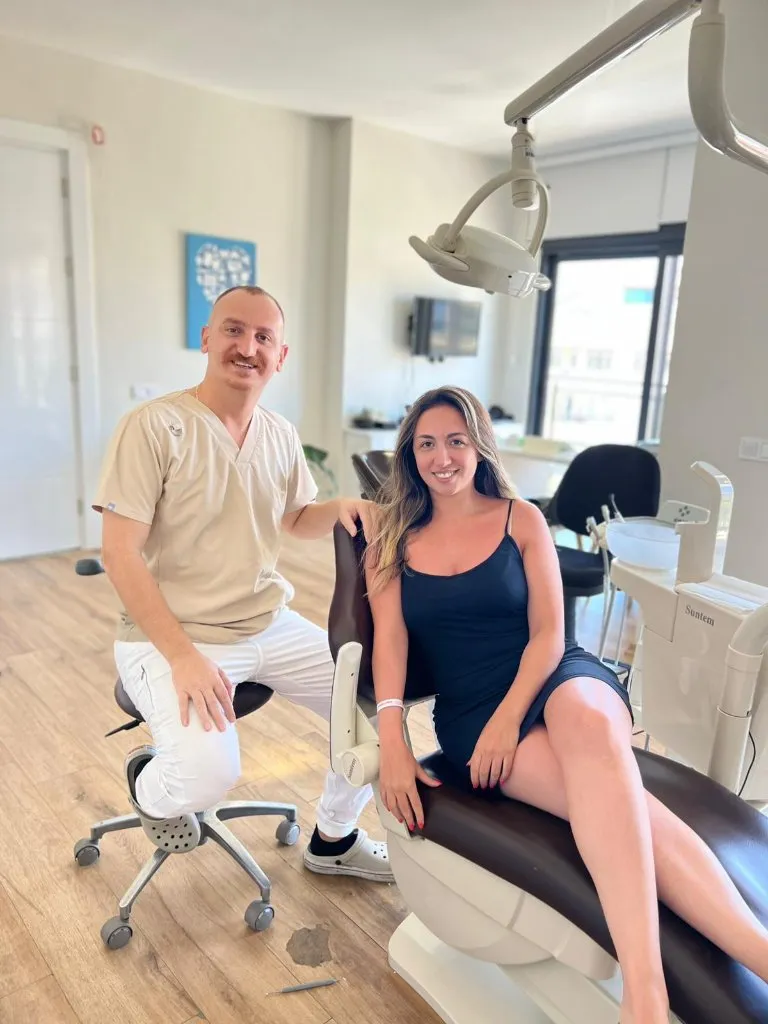
A filling or bonding is usually the gentlest start: 30‑90 minutes, often without anaesthetic for small repairs. Whitening involves no drilling at all. Crowns and veneers need two appointments inside a stay of 5‑7 days, with temporaries fitted at the first, so you never walk out with a gap; how that works is in our guide to temporary teeth during treatment.
Two treatments deserve more preparation. A root canal has a worse reputation than it deserves: the pain people remember is usually the toothache that brought them in, and the treatment itself is done under local anaesthetic, as the root canal treatment page explains. Implant placement is minor surgery, carried out by a dental surgeon specialising in implantology, and it is where a nervous patient most benefits from knowing every step in advance. The dental implants page describes both visits.
Sedation is available when the dentist judges it necessary. Whether it suits you is decided at the examination, together with you, not promised in a message beforehand. If sedation is the only way you can imagine treatment happening, say so when you send your photos, so it can be discussed honestly before you book flights.
When is treatment abroad the wrong choice for a nervous patient?
We would rather lose a patient than have one arrive unready, so here is the plain version. If your fear is so intense that you cannot sit through a check-up at home, a clinic abroad is not where to start. Severe dental phobia is best treated where you live, over weeks, often with cognitive behavioural therapy, which the review above describes as the most accepted psychological treatment for it. Ask your own dentist or doctor about it, and come later, if at all.
The same applies if the journey itself would add stress you cannot manage: flying, a new country, a hotel. A week of treatment should sit inside a calm holiday, not add a second worry to the first. And if you need several visits spread over months to feel safe, a practice near your home may simply suit you better. The Oral Health Foundation advises talking to your own dentist before going abroad, and we agree.
How do you choose a clinic when you are anxious?
Look for three things. First, a named dentist you can find out about before you arrive; on our about us page you can see who will be treating you. Second, a written plan before you commit, so you are not asked to decide in the chair. Third, clear answers to direct questions: our list of questions to ask a clinic before you book works just as well for nervous patients as for anyone else.
Reading what other patients wrote helps too, especially those who arrived nervous; you can read them on our testimonials page. When you are ready, the contact page lists every way to reach us. One message saying you are nervous is enough to begin, and results depend on each case and the examination.
Frequently Asked Questions
Can I get dental treatment in Turkey if I am scared of the dentist?
Yes, and planning makes most of the difference. You receive a written plan from your photos within 24 hours, so you know what will be done before you book. On the day, you agree a stop signal, local anaesthetic is given time to work fully, and nothing is done without your agreement. If you cannot sit through a check-up at home at all, start with help at home first.
Will it hurt?
Treatment is done under local anaesthetic, which is given time to take full effect before anything starts. You should feel pressure and vibration rather than pain. If you feel anything sharp, say so or raise your hand: the dentist stops, and more anaesthetic can be given.
Is sedation available for nervous patients?
Sedation is available when the dentist judges it necessary. Whether it suits you is decided at the examination, together with you. If you feel sedation is the only way you could have treatment, mention it when you send your photos so it can be discussed honestly before you book flights.
Can I stop the treatment if I panic?
Yes. Before anything starts you agree a stop signal, usually a raised hand. When you use it, the dentist pauses. You can take a break, sit up, drink some water, ask what is happening next, and continue only when you are ready.
I have not been to a dentist for years. Will I be judged?
No. Many patients who come to Side have waited a long time, often because of fear. The only thing that matters is what your teeth need now and how to get there in a way you can manage. Nobody will lecture you.
Can I bring someone with me?
Yes, you are welcome to bring a partner, friend or family member to your appointments. Many nervous patients find a familiar face in the room helps, especially on the first day.
What is the best first step if I am anxious?
Send 2‑3 photos of your teeth on WhatsApp to +90 530 575 47 18 and say that you are nervous. Dt. Mustafa Yunusoğlu reviews them personally and a written plan comes back within 24 hours. You can read it at home, ask questions and decide without any pressure.
Sources
- Leśna et al. (2026), Br J Clin Psychol: High dental anxiety among adults worldwide, systematic review and meta-analysis
- Appukuttan (2016), Clin Cosmet Investig Dent: Strategies to manage patients with dental anxiety and dental phobia
- Oral Health Foundation: Fear of the dentist
- ADA MouthHealthy: Anxiety
- Oral Health Foundation: Going abroad for dental treatment