
Your First Day at a Dental Clinic in Turkey: What Happens, Step by Step
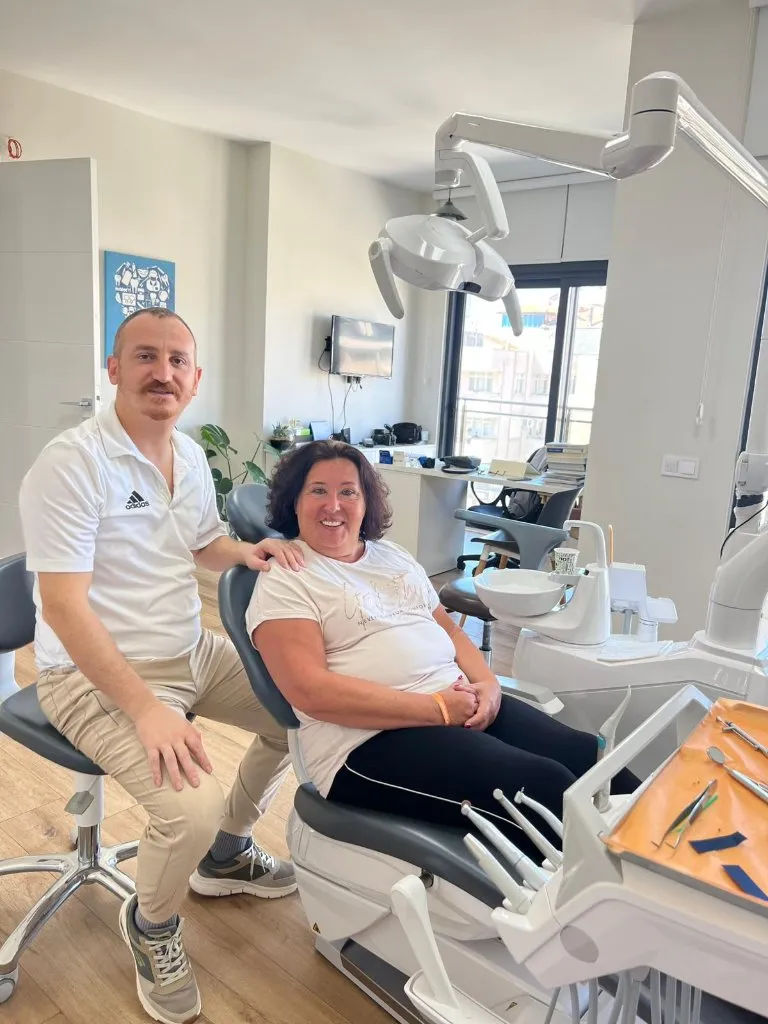
Your first day at our clinic in Side follows a fixed order: a conversation in your language, an examination, a digital X-ray, and then the plan you already hold either confirmed in writing or revised in writing. Nothing is started until you have read it and said yes. If the examination shows that less is needed, the plan gets smaller. Here is each step.
What does the first day look like, step by step?
The thing that worries most people is not the dentistry. It is the thought of landing in a country you do not live in, holding a plan agreed on WhatsApp, and finding that the plan has quietly grown by the time you are in the chair. So here is the whole sequence, with the points at which you, and not the clinic, decide. The page on dental treatment in Turkey covers the trip; this one covers the day.
| Stage | What happens | What you decide |
|---|---|---|
| Before you fly | You already hold a written plan made from your photos. You send your flight and hotel dates and the appointments are set around them. | Whether to travel, and which plan you travel with. |
| Arriving | About 1 hour by car from Antalya Airport, 5‑25 minutes from the hotel zones around Side. The clinic helps arrange the airport transfer and the accommodation if you want that. | Which hotel and which flights, and whether you would rather organise the transfer yourself. |
| The conversation | You say what bothers you and what you want, in English, German, Russian or Turkish. | What you want looked at, and what you would rather leave alone. |
| Examination and digital X-ray | The dentist examines the teeth, the gums and the bite, then takes a digital X-ray that shows the roots and the bone. | Nothing yet. This is the part where you listen and ask. |
| The plan in writing | The plan you hold is confirmed item by item, or revised in writing if the X-ray shows something new. | Approve it, reduce it, postpone part of it, or take it back to the hotel and think. |
| Treatment | Begins only after you approve, and the clinical work is placed early in the visit. | Whether it starts today or tomorrow. |
| The last day | A check-up day before the flight rather than a procedure day. | Whether anything still needs adjusting while you are here. |
What should already be in place before you land?
Two things. The first is the written plan. Before you book anything you send two or three photos of your teeth on WhatsApp, and a panoramic X-ray if you happen to have one, and within 24 hours a plan comes back in writing, with no obligation. It lists every item. What a plan made this way can and cannot tell you is set out honestly in our piece on a treatment plan made from photos.
The second is your dates. Send the day you land, the day you fly home and the hotel zone you are staying in, and the appointments are built around those dates rather than the other way round: the clinical work early, the last day left clear. The clinic helps arrange the airport transfer and the accommodation if you would rather not organise them yourself. On appointment days the short journey from the hotel is your own, by taxi or hire car.
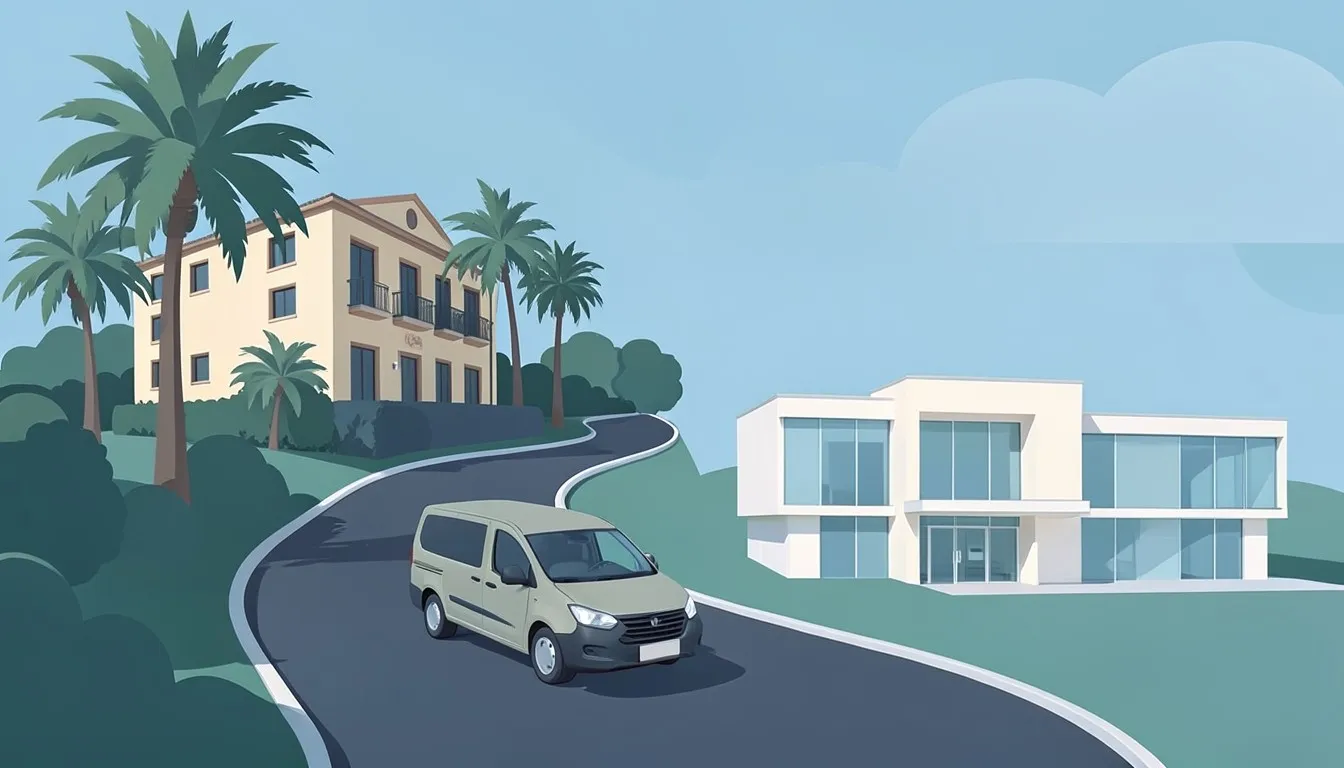
The distances are small. Antalya Airport (AYT) is about 1 hour by car from Side. From the hotels the clinic is 5‑15 minutes from Side centre, Sorgun and Titreyengöl, 15‑20 minutes from Kumköy, Evrenseki and Çolaklı, and about 25 minutes from Gündoğdu and Kızılağaç. Belek is about 40 minutes and Alanya about an hour. The full table is on the page about getting to the clinic from your hotel. Chair hours are Monday to Saturday, 09:00 to 19:00, and the clinic is closed on Sunday, so a Sunday landing means a Monday start.
What happens at the first appointment?
It opens as a conversation rather than a procedure. You sit down and say what bothers you, what you would like changed and what you would rather nobody touched. The clinic works in English, German, Russian and Turkish, so that happens in your own language and not through a translation app. Dt. Mustafa Yunusoğlu, who founded the clinic in 2015 and has practised in Side since, reviews every case and every written plan personally; he and the rest of the team are on the about us page.
Then the examination: every tooth, the gums, and how the teeth meet when you close. Then a digital X-ray, which shows the roots, the bone around them and anything sitting under the surface. Photographs show none of that, which is precisely why the appointment exists and why no remote plan is ever the final one.
Only then is the plan dealt with. It is gone through item by item and confirmed in writing, or revised in writing, before anything starts, and the amount you approve is the amount you pay. If you want to measure what you are told here against what you would ask anywhere, our list of questions to ask a dental clinic is the same list we would want a patient to walk in with.
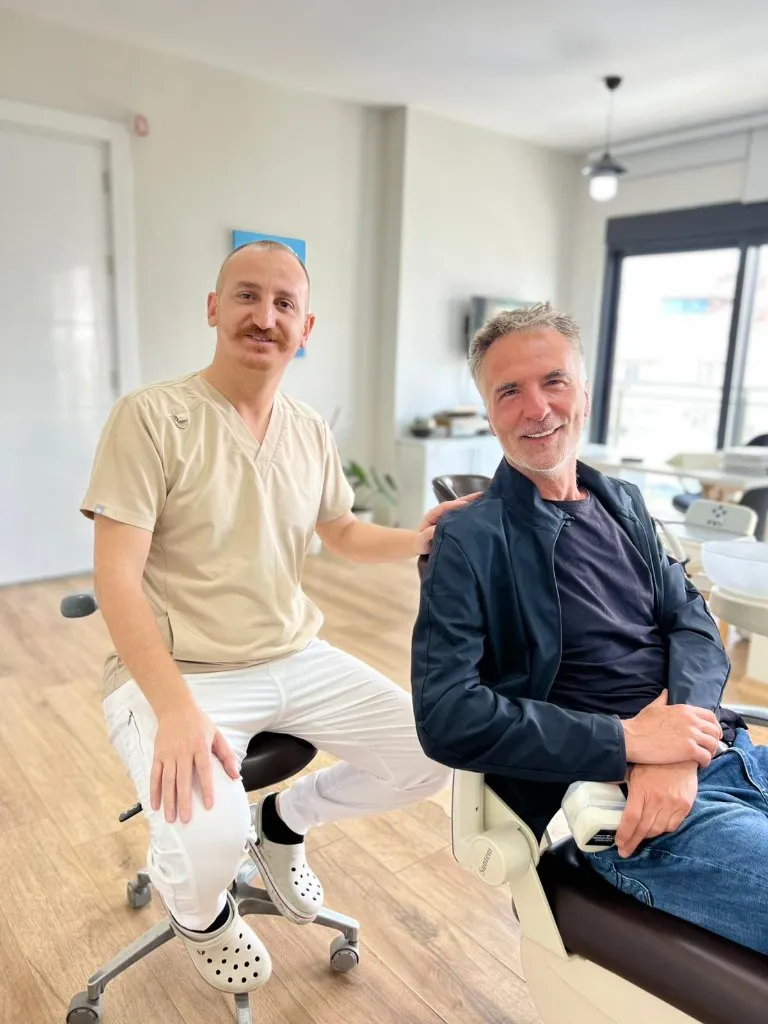
What if the X-ray shows something the photos could not?
This is the part that decides whether a clinic is worth trusting. Photographs show shape, colour and alignment. They do not show a crack below the gum line, an old root filling that has failed, how much bone is there to hold an implant, or an infection sitting quietly at the tip of a root. Now and then the X-ray shows one of those.
When it does, four things happen in this order. You are told, in ordinary language, with the image on the screen in front of you. The plan is revised in writing, so the change is a document rather than a conversation you half remember. You decide. And nothing begins until you have said yes to the revised version. You may say no to part of it, keep part of it for a later trip, or take it back to the hotel and read it over dinner.
It runs the other way more often than people expect. An examination sometimes shows that fewer teeth need work than the photographs suggested, and then the plan gets smaller rather than larger. And if what you want cannot be done properly in the days you have before your flight, the honest answer is to say so and plan it for another trip. Dentistry hurried to fit an aeroplane is a poor trade. Results also vary from person to person, which is why nobody here will promise you a particular outcome before looking in your mouth. Not sure which of this applies to you? Send a photo on WhatsApp and we will tell you honestly, before you book anything.
Does treatment start on the same day?
It depends on the plan, and the written plan says which. Short work often starts in the same sitting: an aesthetic filling takes 30‑90 minutes in the chair and is done in one visit, and whitening is a single session of 60‑90 minutes. Longer cases start once you have approved the confirmed plan, which may be that afternoon or the next morning.
What does not change is where the clinical work sits in the week. Crowns, veneers and a smile makeover are one visit of 5‑7 days with two or three appointments and temporaries in between, and the preparation is placed early so the laboratory has its days and the fitting is not pushed up against your flight. Implants are two visits: 3‑5 days for placement, then 2‑4 months of healing at home, up to 6 months in the upper jaw, then 4‑7 days for the final teeth. All-on-4 follows the same two-visit pattern, with a fixed temporary bridge attached within 24‑72 hours of surgery. Each treatment and the days it needs are set out on how many days you need.
The last day before the flight is kept as a check-up day rather than a procedure day. A bite that feels slightly high, or an edge that catches the tongue, is a short adjustment while you are still in Side and a much larger nuisance once you are home.
What does the rest of day one look like?
Quieter than most people imagine. If you have had an injection, the lip and part of the cheek stay numb for a while, which makes eating and drinking clumsy rather than sore, and is a good reason not to book a restaurant for that evening. Soft food, nothing very hot, and let the numbness wear off before you test it. If you have had surgery, the dentist tells you before you leave what to expect that evening and what to do if it does not settle.
The rules about sun, sea, the pool, alcohol and flying depend on what was actually done that day, and they matter more on a beach holiday than they would at home. They are set out day by day in our aftercare timeline for a holiday. The short version for day one: take the afternoon gently, and ask before you swim.
What should you bring?
Nothing that costs anything, and four things that make the appointment better.
- Any X-rays you already have, on paper, on a disc, or as a photograph of the screen at your own dentist. A panoramic image from the last year or two is genuinely useful.
- A list of your medicines, with doses, including blood thinners, bisphosphonates and anything for diabetes or blood pressure. Write it down rather than trusting your memory in a second language.
- Photographs of smiles you like, and one or two you dislike if you can find them. Being able to point at something is worth more than any adjective.
- Your questions, written down. People forget them in the chair, every time. Nobody minds a list.
Bring the written plan as well; on your phone is fine. And if you are travelling with someone, bring them in with you. A second pair of ears is useful when a plan is being explained. How the whole thing fits around the rest of a holiday is covered on our page about dental tourism.
If the thought of the chair itself is what worries you, our guide for nervous patients explains the stop signal, the anaesthetic and what to tell us before you arrive.
Who can you reach in the evening?
WhatsApp on +90 530 575 47 18 is answered at any hour, every day, including Sunday when the chairs are not running. That matters most on the first evening, when a question you did not think to ask at noon turns up at ten at night. Send it. You get a person rather than a form, and you can write in English, German, Russian or Turkish.
And if you have gone back to the hotel holding a plan you have not approved, that is an ordinary outcome of a first appointment rather than a failed one. Read it, sleep on it, ask about the parts that are not clear, and come back when you are ready. The address and every way of reaching the clinic are on the contact page. If you would like to know what your own first day would look like, send two or three photos and your dates, and you will get an answer about your case rather than a general one.
Frequently Asked Questions
What happens at your first appointment at a dental clinic in Turkey?
At our clinic in Side it runs in a fixed order: a conversation in your language about what bothers you, an examination of the teeth, gums and bite, a digital X-ray, and then the treatment plan confirmed in writing. Only after you have read and approved that written plan does any treatment start. Nothing is decided for you in the chair.
Can the treatment plan change after I arrive at the clinic?
It can, because a digital X-ray shows things photographs cannot, such as bone level or a failed root filling. If it changes, you are told with the image in front of you, the plan is revised in writing, and you decide. Nothing starts without your approval. It quite often changes downwards, with fewer teeth needing work than the photos suggested.
Does dental treatment start on the first day?
It depends on the plan. Short work such as an aesthetic filling of 30‑90 minutes or a whitening session of 60‑90 minutes often happens in the same sitting. Longer cases start once you have approved the confirmed plan, sometimes that afternoon and sometimes the next morning. Clinical work is placed early in the visit so the last day stays free for a check-up.
How long does it take to get from Antalya Airport to the clinic in Side?
About 1 hour by car. From the hotels the clinic is 5‑15 minutes from Side centre, Sorgun and Titreyengöl, 15‑20 minutes from Kumköy, Evrenseki and Çolaklı, and about 25 minutes from Gündoğdu and Kızılağaç. The clinic helps arrange the airport transfer and accommodation, and sets the appointments around your flight and hotel dates.
What should I bring to a first dental appointment abroad?
Any X-rays you already have, a written list of your medicines and doses, photographs of smiles you like and dislike, and your questions written down. Bring the written plan you were sent, on your phone if that is easier. If someone is travelling with you, bring them into the room as a second pair of ears.
What if I change my mind after the examination?
Then you do not go ahead, and that is a normal outcome rather than an awkward one. The written plan is something you approve, not something you have already agreed to by turning up. You can approve part of it, postpone part of it to a later trip, or take it back to the hotel and think. The amount you approve is the amount you pay.
Can I contact the clinic in the evening after my appointment?
Yes. WhatsApp on +90 530 575 47 18 is answered at any hour, every day, including Sunday when the clinic itself is closed. Questions that turn up in the evening, such as what you can eat or whether something feels as it should, are exactly what it is for. You can write in English, German, Russian or Turkish.