
Dental Treatment with a Heart Condition: Do You Need Antibiotics First?
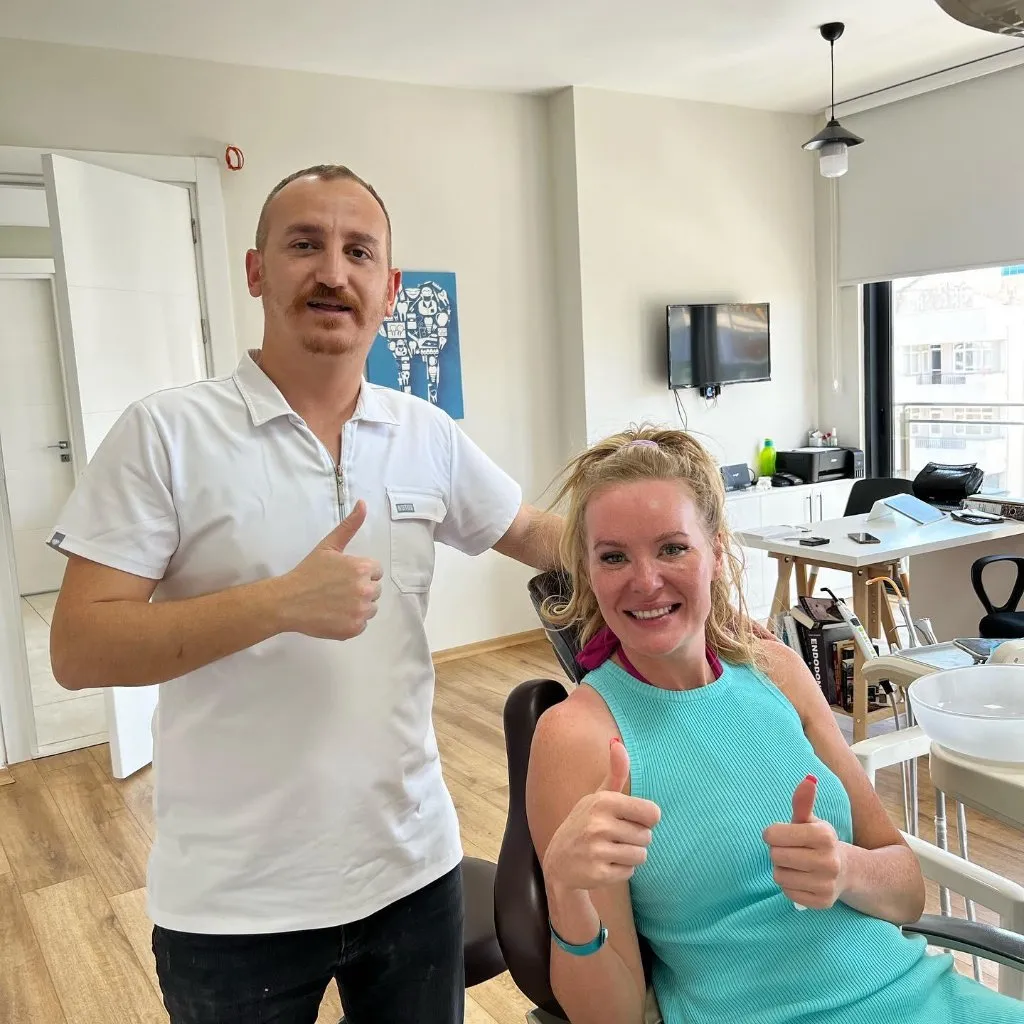
For most people with a heart condition, dental treatment is safe and does not need antibiotics beforehand. Since 2007 the American Heart Association has reserved antibiotic cover for a small group at the highest risk of a heart valve infection (infective endocarditis), and its 2021 update kept that approach. In the UK, NICE does not recommend antibiotic cover routinely at all. What matters most is that the dentist knows your diagnosis and medicines before the first appointment, and that treatment waits if your heart condition is not stable.
Does your heart condition call for antibiotic cover?
| Condition | Antibiotic cover before dental work? |
|---|---|
| Artificial heart valve, or valve repair with prosthetic material | AHA: yes, for procedures that involve the gums or the root area |
| Previous infective endocarditis | AHA: yes |
| Certain congenital heart conditions, heart transplant with a valve problem | AHA: often yes; your cardiologist confirms |
| Pacemaker or defibrillator, stents, bypass surgery | No |
| High blood pressure, past heart attack, atrial fibrillation | No; but medicines such as blood thinners matter |
| Murmur or mitral valve prolapse without the above | No |
NICE in the UK takes a stricter line: antibiotic cover is not recommended routinely for dental procedures, and for people at high risk it refers dentists to the Scottish SDCEP implementation advice. If you already carry a card or a letter from your cardiologist, that is the instruction to follow.
Why did the guidance change?
Mouth bacteria enter the bloodstream every day, from chewing and toothbrushing, not only during dental treatment. Antibiotics before a single appointment can only cover a tiny part of that exposure, and they carry their own risks, from allergic reactions to resistance. That is why the guidance was narrowed in 2007, and why the 2021 review found no convincing evidence that endocarditis from mouth bacteria had become more common since. The AHA puts more weight on something else: keeping your teeth and gums healthy, because a healthy mouth sends fewer bacteria into the blood every day. A professional cleaning and treating gum disease are part of protecting your heart.
What should the dentist know before treatment?
Your diagnosis, any operation and when it took place, your full medication list with doses, and any allergy, particularly to penicillin. Blood thinners need special attention: our article on dental treatment on blood thinners explains why most people should not stop them. If you have an artificial valve or have had endocarditis, bring the letter or card from your cardiologist. The dentist chooses the local anaesthetic and its dose with your heart condition and medicines in mind, so mention palpitations or chest pain you have had with injections before.
When should treatment wait?
Planned treatment should wait if you have had a heart attack, a stent or heart surgery recently, if your chest pain is new or getting worse, or if heart failure is not under control. Ask your cardiologist how long to wait in your case. A dental emergency is different: a painful infection is itself a strain on the body, and the emergency dentist page describes what can be done to relieve it safely. If you develop a fever, night sweats or unusual tiredness in the weeks after dental treatment and you are in a high-risk group, see a doctor promptly and mention the treatment.
Can you have implants with a heart condition?
Often yes. A stable heart condition does not rule out implants, and the evidence on age is reassuring: see dental implants for older adults. People in the high-risk group need the antibiotic decision made before surgery, and the overall plan agreed with their cardiologist. Smoking and diabetes matter more for implant healing than most heart conditions; read implants with smoking, diabetes or gum disease. The dental implants page describes the treatment itself.
When is treatment abroad the wrong choice?
When your heart condition is not stable, when you are waiting for heart surgery, or when your cardiologist advises against travel. Long treatment plans with several surgical sessions in a short stay are also not ideal if you tire easily; splitting treatment into shorter stays may be wiser, see how many days you need. We would rather tell you this before you book than after you arrive.
Send your details before you travel
Three dentists work at the clinic, and your case is reviewed before you arrive. Send your medication list and cardiologist's letter on WhatsApp, together with photos or an X-ray of your teeth, and the written plan arrives within 24 hours. More about the team is on the about us page, or use the contact page.
Frequently Asked Questions
Do I need antibiotics before dental treatment if I have a heart condition?
Usually not. The American Heart Association keeps antibiotic cover only for the highest-risk groups, such as people with an artificial heart valve or a previous infective endocarditis. In the UK, NICE does not recommend it routinely.
I have a pacemaker. Is dental treatment safe?
Yes. A pacemaker or defibrillator does not call for antibiotic cover. Tell the dentist about it and about your medicines before treatment.
I have stents and take blood thinners. Should I stop them?
Do not stop them on your own. Most people continue their blood thinners for dental treatment; the dentist plans around them, and any change is decided with the doctor who prescribed them.
How long after a heart attack can I have dental treatment?
Planned treatment should wait until your heart condition is stable. Ask your cardiologist how long to wait in your case; a dental emergency can still be relieved safely.
Can I have dental implants with a heart condition?
Often yes, if the condition is stable. People with an artificial valve or a previous endocarditis need the antibiotic decision made before surgery, and the plan agreed with their cardiologist.
Is local anaesthetic safe with heart disease?
Local anaesthesia is used routinely in people with heart conditions. The dentist chooses the type and dose with your diagnosis and medicines in mind, so share both before treatment.
What should I send before I travel?
Your diagnosis, medication list with doses, allergies, and your cardiologist's letter if you have one, together with photos or an X-ray of your teeth. Send them to WhatsApp +90 530 575 47 18; the written plan arrives within 24 hours.