
Dental X-Rays and 3D Scans (CBCT): How Much Radiation, and Are They Safe?
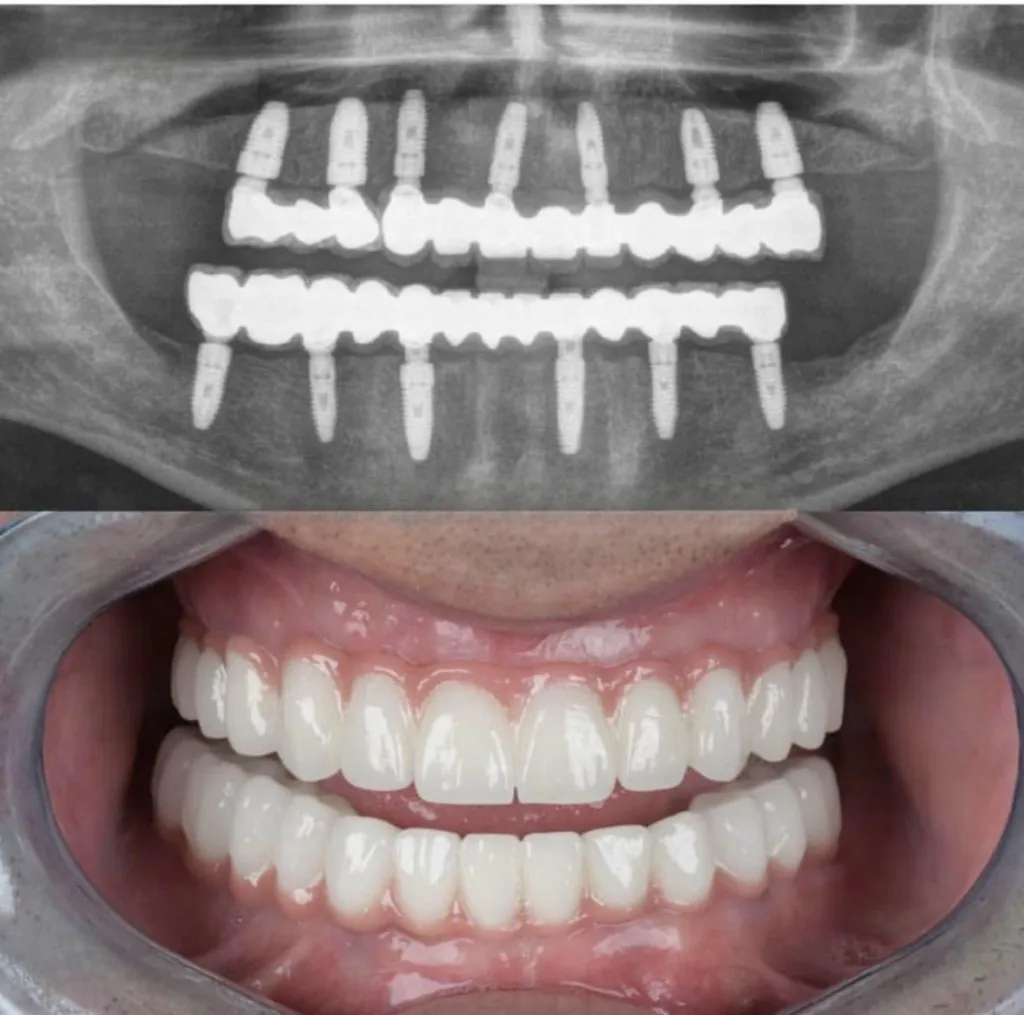
Yes, used for the right reason they are safe. A single dental X-ray gives about 0.005 mSv, less than the 0.08 mSv of a transatlantic flight. A 3D scan (CBCT) gives more, on average 84 to 212 µSv (0.084 to 0.212 mSv) for adults depending on the size of the area scanned, which is still far below the 1.4 mSv of a head CT. The rule is simple: each image should answer a question that changes your treatment. That is why we ask for your existing X-rays before we take new ones.
How much radiation is it, compared with everyday life?
| Exposure | Dose |
|---|---|
| Dental X-ray (single image) | 0.005 mSv |
| Transatlantic flight | 0.08 mSv |
| Dental CBCT, small area, adult mean | 0.084 mSv |
| Dental CBCT, large area, adult mean | 0.212 mSv |
| CT scan of the head | 1.4 mSv |
| Average annual dose in the UK | 2.6 mSv |
Figures for the dental X-ray, flight, head CT and annual dose come from the UK Health Security Agency; the CBCT means come from a 2015 meta-analysis, which also found large differences between machines and settings.
Which image shows what?
A small X-ray of one or two teeth shows decay between teeth, the root and the bone around its tip. A panoramic X-ray shows both jaws, all teeth, the sinuses and the jaw joints in one picture and is the usual starting point for larger plans. A CBCT is a 3D scan: it shows the width and height of the bone, the position of nerves and sinuses, and roots from every side. For implants that information is often decisive; see not enough bone for implants and dental implants.
When is a CBCT worth it?
When the decision depends on 3D information: planning implants or All-on-4, judging bone before a graft, locating a nerve close to a lower wisdom tooth, or finding an extra canal or a crack in a tooth that keeps hurting after root canal treatment. The FDA notes that dental CBCT doses are generally lower than other CT exams but higher than conventional dental X-rays, which is why it should be used when it adds something.
When is a CBCT the wrong choice?
We use CBCT for implant planning, and we still do not scan everyone. For routine check-ups, small fillings, whitening or veneers on healthy teeth, a 2D image or none at all is enough, and a 3D scan would add dose without changing the plan. Children are more sensitive to radiation, as the FDA points out, so for them scans are kept to what is truly needed. If an image will not change what we do, we do not take it.
Pregnant, or already had X-rays at home?
Dental X-rays aim at the mouth, not the abdomen, but elective imaging and treatment are usually postponed during pregnancy; urgent problems are handled with care. See dental treatment during pregnancy. If you had a panoramic X-ray or CBCT recently, send it: a recent image often makes a new one unnecessary, and it lets us plan before you travel, as explained in treatment plans from photos and X-rays.
What happens on your first visit?
The dentist examines you first and then decides which images are needed, if any. Our article on the first day at the clinic describes the visit, and the dental trip checklist lists what to bring, including old X-rays on your phone. Implant work is planned from 3D information, and implants carry a 10-year written guarantee.
Send what you already have
Send your X-rays on WhatsApp and the written plan arrives within 24 hours, or use the contact page.
Frequently Asked Questions
How much radiation is a dental X-ray?
About 0.005 mSv for a single image, according to the UK Health Security Agency, which is less than the 0.08 mSv of a transatlantic flight.
Is a dental CBCT (3D scan) safe?
Used for the right reason, yes. A 2015 meta-analysis found mean adult doses of 84 to 212 µSv depending on the area scanned, far below the 1.4 mSv of a head CT. It should be used when 3D information changes the treatment plan.
Why do I need a CBCT for implants?
It shows the width and height of the bone and the position of nerves and sinuses, which decide where an implant can go and whether bone grafting is needed. A 2D X-ray cannot show bone width.
Can I send my own X-rays instead of taking new ones?
Yes. Recent panoramic X-rays or CBCT scans often make new images unnecessary and let the dentist plan before you travel. Send them to WhatsApp +90 530 575 47 18.
Are dental X-rays safe for children?
Children are more sensitive to radiation, as the FDA notes, so images are kept to what is truly needed. A small dental X-ray gives a very low dose; 3D scans in children are used only for specific questions.
Can I have dental X-rays while pregnant?
Elective imaging is usually postponed during pregnancy. If an urgent problem needs an image, it is taken with care and aimed away from the abdomen.
Do you take a CBCT for every patient?
No. A CBCT is used when 3D information changes the plan, such as for implants. Routine check-ups, fillings, whitening and veneers on healthy teeth do not need one.