
Is Dental Treatment in Turkey Safe? An Honest Guide for UK & European Patients
Yes - dental treatment in Turkey is safe when you choose a licensed, verifiable clinic. In 2026, every legal dental practice in Turkey operates under Turkish Ministry of Health licensing and inspection. This guide shows you exactly how to verify any clinic before you book.
Why the Question Is Fair
If you have read British tabloid stories about "Turkey teeth" gone wrong, your caution is healthy. Horror stories exist - but they almost always trace back to the same root cause: patients booking the cheapest offer they could find, sight unseen, without checking a licence, a dentist's name or a written treatment plan. The problem is not the country; it is the selection method. Thousands of UK, German and Irish patients are treated in Turkey every week without incident, which is why dental tourism has become a mature, regulated industry rather than a gamble.
The honest answer to "is it safe?" is therefore not a simple yes or no. It is: Turkey has a strong regulatory framework and excellent clinicians - and it also has aggressive marketing operations you should avoid. This article gives you the tools to tell the two apart, using our own clinic as a transparent worked example.
How Dentistry Is Regulated in Turkey
Ministry of Health licensing and inspections
No dental clinic can legally open its doors in Turkey without a licence from the Turkish Ministry of Health (Sağlık Bakanlığı). The licence covers the premises, the equipment, the sterilization infrastructure and the named, registered dentists working there. Licensed clinics are subject to inspections that check hygiene protocols, record-keeping, radiation safety for X-ray equipment and the qualifications of every practitioner. A clinic that loses its licence cannot practise - this is not a voluntary accreditation scheme but a legal requirement, comparable in structure to CQC registration in England.
The Turkish Dental Association (TDB)
Alongside state licensing, dentists in Turkey are organised under the Turkish Dental Association (Türk Dişhekimleri Birliği, TDB), the professional chamber that maintains the register of practising dentists, sets ethical rules and handles professional disciplinary matters. Membership of the local dental chamber is mandatory for private practice. Many dentists additionally join specialist academies - for example EDAD, the Turkish Academy of Aesthetic Dentistry - which reflects ongoing postgraduate engagement rather than a minimum requirement.
How Turkish Dentists Are Trained
Turkish dentists complete a five-year university degree at a faculty of dentistry, the same length of clinical training as in most of Europe. Admission to dental faculties is fiercely competitive, decided by a national university entrance exam in which dentistry ranks among the highest-scoring programmes. Long-established faculties such as Ege University in İzmir, Istanbul University and Hacettepe University have trained generations of clinicians and run their own teaching hospitals. Graduates may then pursue specialty training in fields like implantology, orthodontics or endodontics. In short: the dentist treating you in Antalya studied the same anatomy, the same materials science and the same surgical protocols as a dentist in Manchester or Munich.
Sterilization and Hygiene Standards
Modern Turkish clinics follow the same instrument-safety chain used across Europe:
- Class B autoclave sterilization of all reusable instruments, with each cycle logged and verifiable
- Sealed, dated sterilization pouches opened only at the chair, in front of the patient
- Single-use disposables - needles, saliva ejectors, gloves, cups - discarded after every patient
- Surface disinfection of the treatment unit between appointments and regulated medical-waste disposal
- Hygiene protocols aligned with international ISO standards for medical device reprocessing
When you visit a clinic, you are entitled to ask how instruments are sterilized and to see the autoclave. A serious clinic will show you without hesitation; a clinic that is offended by the question has told you something important.
What Sits Behind a Quote from a Clinic in Turkey
Quotes are the single biggest source of suspicion, so it helps to know what goes into them. The materials themselves, implant systems such as Nobel Biocare and Straumann, zirconia blocks and bonding composites, are global products bought on global markets: a clinic in Turkey pays roughly what a clinic in Germany pays for them. What differs is everything around the chair, and none of that is a quality signal in either direction.
So judge a clinic by its written quote. A trustworthy one is itemised tooth by tooth, names the implant brand and the ceramic, states what is included and comes with a written guarantee; ask for exactly that from any clinic you consider. Our page on how we quote shows what ours contains. For specific treatments, see our dental implants guide and our veneers guide.
What to Check Before Choosing Any Clinic
Use this checklist for every clinic on your shortlist - including ours:
- Ministry of Health licence. Ask for it directly. A legitimate clinic will confirm its licensed status immediately.
- The dentist's name and credentials. You should know exactly who will treat you, where they studied and when they graduated - before you fly. Anonymous "our expert team" pages are not enough.
- TDB registration. The treating dentist should be a registered member of the Turkish Dental Association's chamber system.
- Real, recent reviews. Read Google reviews with names, dates and treatment details. A long history of consistent reviews is far harder to fake than a burst of five-star ratings from one month.
- A written treatment plan and quote. Diagnosis, procedures, materials, brand names, number of visits and total price - in writing, before any commitment.
- A written guarantee. Ask what is covered, for how long, and what happens if a restoration fails after you fly home.
- Brand-name materials. Ask which implant system and which ceramic will be used. "German implant" is not a brand name; "Straumann" is.
Red Flags to Avoid
- Prices dramatically below the market - if a quote is a fraction of what every other licensed clinic charges, the saving is coming from somewhere you cannot see
- Diagnosis by WhatsApp photo alone, with a fixed price promised before any X-ray or examination
- Pressure tactics - "this discount expires tonight" has no place in healthcare
- No named dentist anywhere on the website or in correspondence
- 20+ crowns proposed by default when you asked about whitening or a few veneers - over-treatment is the most common real harm in dental tourism
- No physical address, no landline, or a "clinic" that is actually a broker reselling patients to unknown third parties
What Happens If Something Goes Wrong?
Honest medicine acknowledges that complications exist everywhere: a crown can debond in Toronto, an implant can fail to integrate in Zurich. What matters is what happens next. A serious Turkish clinic manages this in three layers. First, written guarantees: at our clinic, implants carry a 10-year guarantee and crowns and veneers a 5-year written guarantee - if a guaranteed restoration fails under normal use, it is remade. Second, follow-up at a distance: post-treatment checks continue by photo and video call after you fly home, and most minor issues can be assessed remotely. Third, planned revision visits: because Antalya is a short, cheap flight from most of Europe, returning for an adjustment is genuinely practical - many patients simply combine it with their next holiday. Before you commit anywhere, get the complications policy in writing.
A Worked Example: How We Meet These Criteria
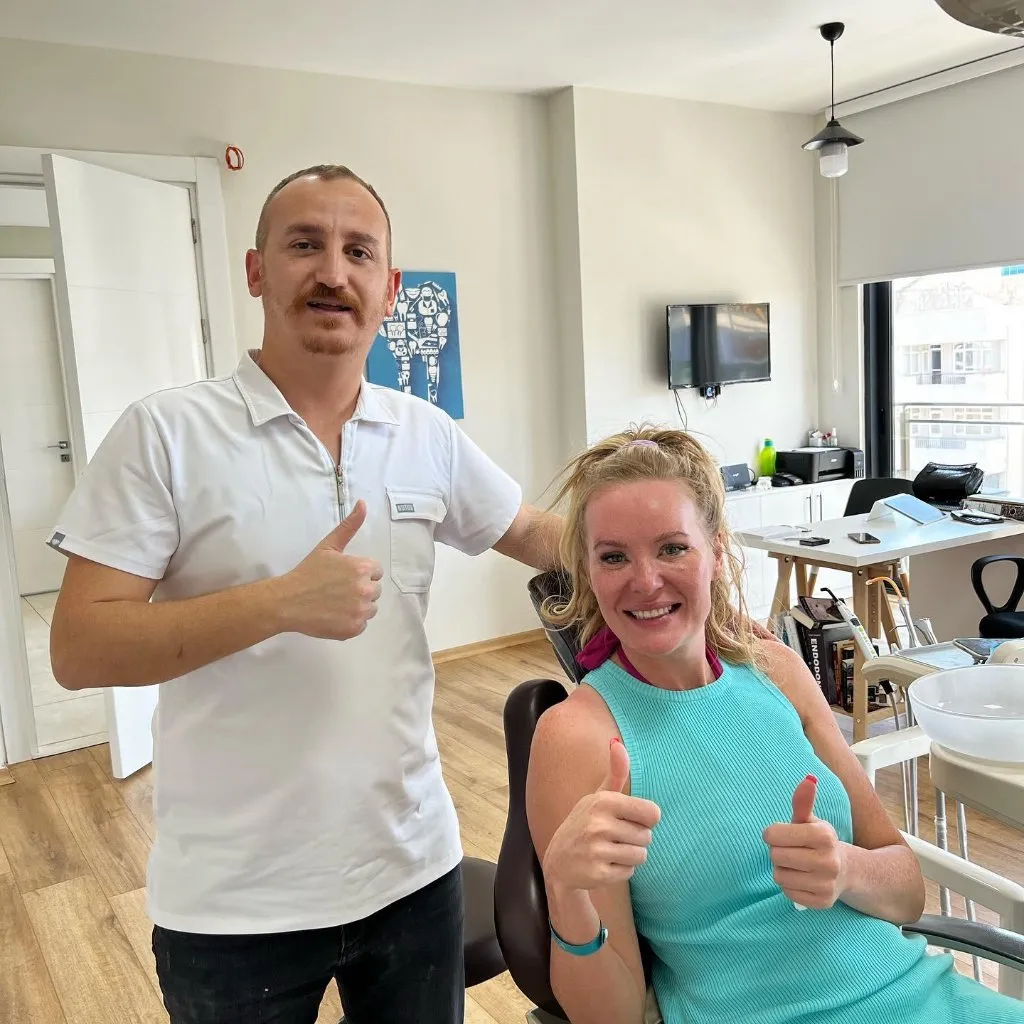
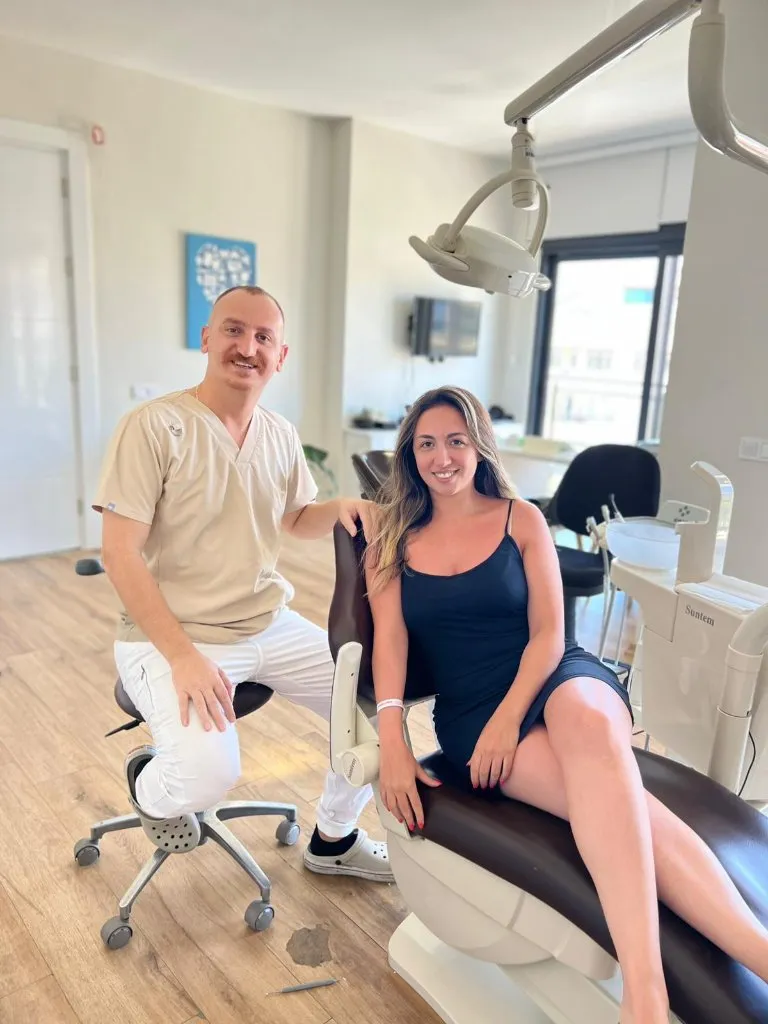
Rather than telling you other clinics are worse, we will simply show you how Dentist Side Turkey answers the checklist above. The clinic is a Ministry of Health-licensed practice in Side, Antalya, founded in 2015. The treating dentist is named and verifiable: Dt. Mustafa Yunusoğlu, a graduate of Ege University Faculty of Dentistry (2015) and a member of the Turkish Dental Association (TDB) and the Turkish Academy of Aesthetic Dentistry (EDAD). The clinic holds a 5.0-star Google rating across 63 reviews, accumulated over years rather than weeks, and has treated 1,500+ international patients from 50+ countries. Every patient receives a written treatment plan with itemised prices before treatment begins, brand-name materials are specified in the plan, and guarantees are issued in writing. Consultations are available in English, German, Russian and Turkish. Apply the same checklist to any clinic you consider - if it passes, you are in good hands, wherever you choose.
Still choosing a city? Antalya or Istanbul for dental treatment compares flights, transfers and how the days of a visit run, and argues that the clinic matters more than the city.
The Balanced Truth
No country holds a monopoly on good dentistry, and none is free of bad actors - the UK's own regulator disciplines dentists every year, and German patients pursue treatment errors through the courts like everyone else. Risk in dental tourism is real but manageable, and it concentrates almost entirely in the choosing, not in the geography. A licensed Turkish clinic with a named, TDB-registered dentist, a written itemised quote and written guarantees is a safe choice by any European standard. An anonymous discount operation is unsafe in any country.
Safety is not a country. It is a licence, a named dentist, a written plan and a guarantee you can hold in your hand. Check those four things before you book anywhere.
This article was written by Dt. Mustafa Yunusoğlu. Have questions about safety, credentials or your treatment plan? Contact us or reach us on WhatsApp at +90 530 575 47 18 - we will happily walk you through every document mentioned above.
Frequently Asked Questions
Is dental treatment in Turkey really safe?
Yes - at a licensed clinic. Turkish dental practices operate under Ministry of Health licensing and inspection, dentists complete five-year university degrees, and serious clinics follow the same sterilization standards as Western Europe. Safety depends on choosing a verifiable clinic, not on the country itself.
Does a lower quote mean lower standards?
Not in itself. The implant and ceramic brands are the same global products used in the UK and Germany; what differs is everything around the chair, such as staff wages, laboratory fees, rent and insurance. Judge a quote by what it names: the dentist, the implant brand and ceramic, what is included and the written guarantee.
How do I check if a Turkish clinic is legitimate?
Verify five things: a Ministry of Health licence, the treating dentist's name and university credentials, TDB registration, a long history of real Google reviews, and a written treatment plan with itemised prices and a written guarantee before you commit.
What happens if something goes wrong after I fly home?
Reputable clinics provide written guarantees and remote follow-up. At Dentist Side Turkey, implants carry a 10-year guarantee and crowns and veneers a 5-year written guarantee; minor issues are assessed by photo or video call, and revision visits are easy to combine with a holiday.
Are Turkish dentists as qualified as UK or German dentists?
Turkish dentists complete a five-year university dental degree - the same clinical training length as most of Europe - at competitive faculties such as Ege, Istanbul and Hacettepe University. Registration with the Turkish Dental Association is mandatory for private practice.
What are the biggest red flags when choosing a clinic in Turkey?
Prices far below the market, diagnosis by WhatsApp photo alone, no named dentist, pressure discounts that "expire tonight", proposals for 20+ crowns when you asked about minor treatment, and brokers without a physical clinic address. Any one of these should end the conversation.