
White Spots on Teeth: What Causes Them and Which Treatment Actually Hides Them
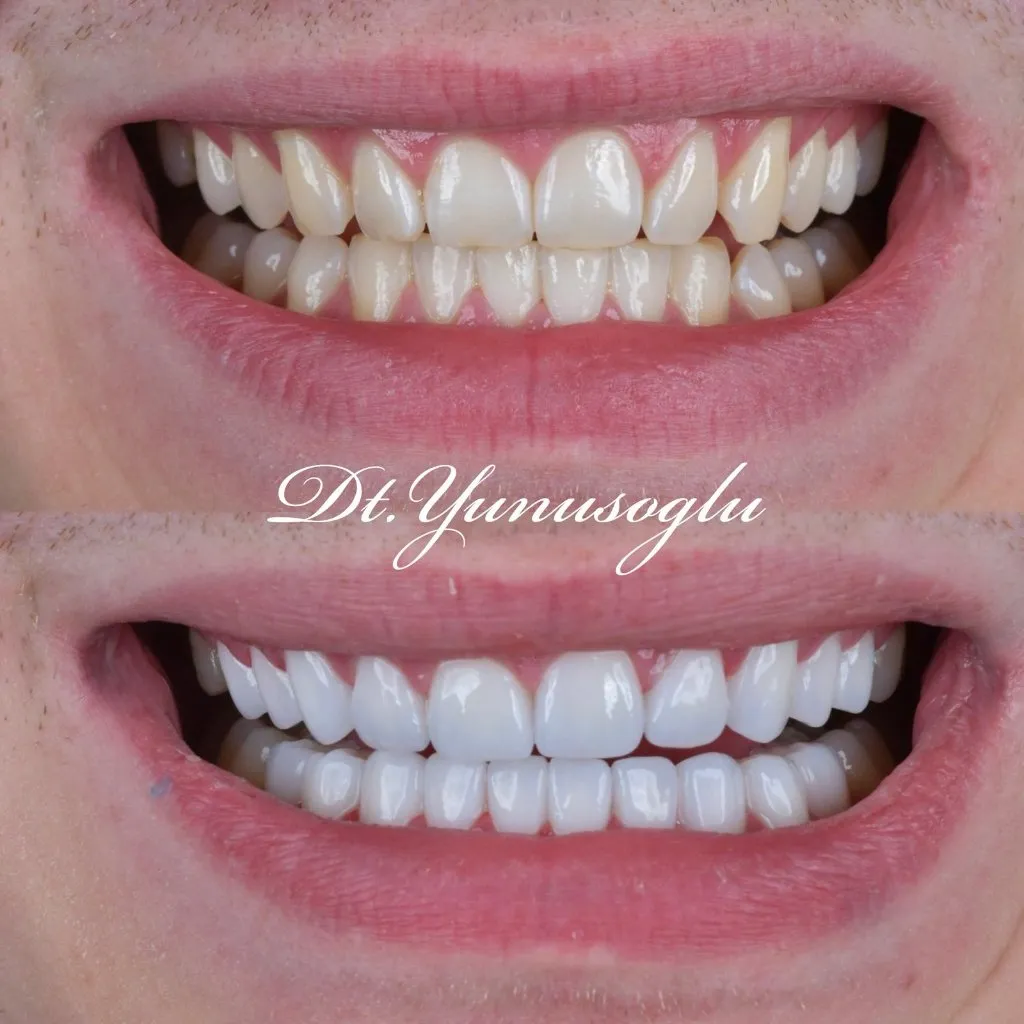
White spots on teeth are areas where the enamel is less mineralised than around them, so they scatter light and look chalky. The cause decides the treatment: early decay can often be stopped and sometimes faded, mild fluorosis is mainly a cosmetic issue, and deeper enamel defects may need bonding. Whitening alone rarely hides white spots and can make them stand out for a few days. Veneers are only justified when the spots are deep, widespread, or come with other changes you want anyway.
What is causing your white spots?
| Cause | Typical look | Usual first step |
|---|---|---|
| Early decay (white spot lesion), often after braces | Chalky patches near the gum line or around where brackets were | Stop the decay: cleaning, fluoride, diet |
| Fluorosis (too much fluoride in childhood) | Faint, symmetrical flecks or streaks on several teeth | Often nothing; if it bothers you, minimal treatment |
| Developmental enamel defect | One or a few teeth, creamy to yellow-brown patches | Assessment; bonding if the enamel is weak or rough |
| Injury to a baby tooth | A single adult tooth with a patch | Assessment; bonding or veneer if deep |
Why do white spots appear?
Enamel is a dense crystal structure. When acid from plaque dissolves part of it just under the surface, or when the enamel did not mineralise fully while the tooth was forming, the affected area reflects light differently and looks white. After braces, plaque that collected around brackets is the commonest cause. Fluorosis comes from swallowing too much fluoride while adult teeth were forming in childhood; the Oral Health Foundation describes it as faint white marks that are usually mild, rare, and do not affect how teeth work. Developmental defects are a different story: the enamel can be softer and may chip or stain.
Does whitening hide white spots?
Sometimes it helps them blend, because the rest of the tooth becomes lighter and the contrast falls. But right after whitening, teeth are slightly dehydrated and white spots often look stronger for a few days before settling. Whitening works best as a first step before other treatment, not as the whole answer. Our whitening guide and the teeth whitening page explain what to expect; the result usually lasts 1‑2 years.
What can resin infiltration and microabrasion do?
Resin infiltration fills the porous enamel under the surface with a liquid resin, so the spot reflects light like the surrounding tooth, without drilling. A 2017 systematic review found partial or complete masking straight after treatment, but only two studies followed the results for a year. A 2026 meta-analysis found the results inconsistent across studies and asked for larger, longer trials. Microabrasion polishes away a very thin outer layer and suits shallow surface flecks. Both are minimal options worth asking about, especially for shallow spots after braces; deeper spots are less predictable.
When is bonding the better choice?
When the spot is deep, rough or on a weak, developmentally defective tooth, a thin layer of tooth-coloured composite can cover it. The dentist removes as little as possible, often just the affected surface, and the result is finished in one visit of 30 to 90 minutes. Our composite bonding guide and the aesthetic fillings page explain the procedure, and veneers, crowns or bonding compares how much tooth each option removes.
When are veneers justified for white spots?
Rarely for spots alone. Veneers make sense when the marks are deep and on many front teeth, or when you also want to change shape, length or alignment. If you are weighing that, read whitening, bonding or veneers and how many veneers you need first, and see the dental veneers page for the process. We would rather solve a few white spots with bonding than prepare healthy teeth for veneers that you did not need.
When is treatment the wrong choice?
When the white spots are active decay, treating the look before stopping the cause just hides a problem. Plaque control, fluoride toothpaste and fewer sugary drinks come first, and spots after braces often fade on their own in the first months. And if the marks are faint and only you notice them, leaving them alone is a reasonable choice.
Send close-up photos
A close-up photo in daylight, with and without a flash, shows the dentist the depth and pattern of the spots. Send them on WhatsApp and the written plan, starting with the least invasive option, arrives within 24 hours. You can also use the contact page.
Frequently Asked Questions
What causes white spots on teeth?
Usually early decay (often after braces), fluorosis from too much fluoride while teeth were forming, or a developmental defect of the enamel. Each looks slightly different and needs a different approach.
Will teeth whitening remove white spots?
Not on its own. Whitening can help them blend by lightening the rest of the tooth, but spots often look stronger for a few days afterwards. It is usually a first step before bonding or other treatment.
What is resin infiltration?
A treatment without drilling that fills the porous enamel under a white spot with liquid resin, so it reflects light like the tooth around it. Studies show it can mask spots immediately, but long-term evidence is still limited.
Can bonding cover white spots?
Yes. A thin layer of tooth-coloured composite can cover deep or rough spots, usually removing only the affected surface. It is done in one visit of 30 to 90 minutes.
Do I need veneers for white spots?
Rarely. Veneers make sense when the marks are deep on many front teeth or when you also want to change shape or alignment. For a few spots, less invasive options come first.
Do white spots after braces go away?
They often fade in the first months once plaque is controlled and fluoride toothpaste is used. Spots that remain can be treated with minimal options or bonding.
How do I find out which option suits me?
Send close-up photos in daylight to WhatsApp +90 530 575 47 18. The written plan arrives within 24 hours and starts with the least invasive option.
Sources
- Borges et al. (2017), J Dent: Is resin infiltration an effective esthetic treatment for enamel development defects and white spot lesions? A systematic review
- Ståhl et al. (2026), Eur J Orthod: Outcomes of resin infiltration for white spot lesions at different time points, systematic review and meta-analysis
- Oral Health Foundation: Fluoride