
Teeth Whitening Guide: Methods, Cost Factors & Expert Tips
What Is Professional Teeth Whitening?
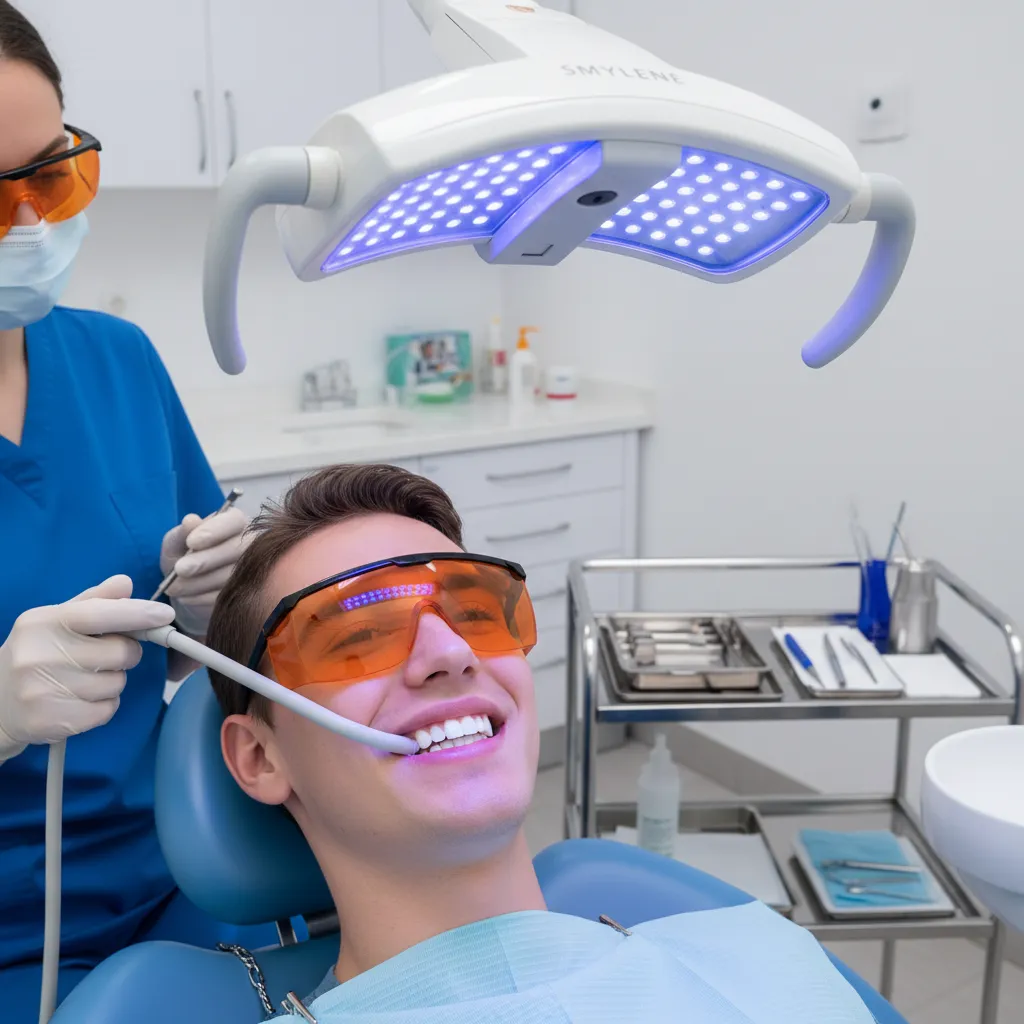
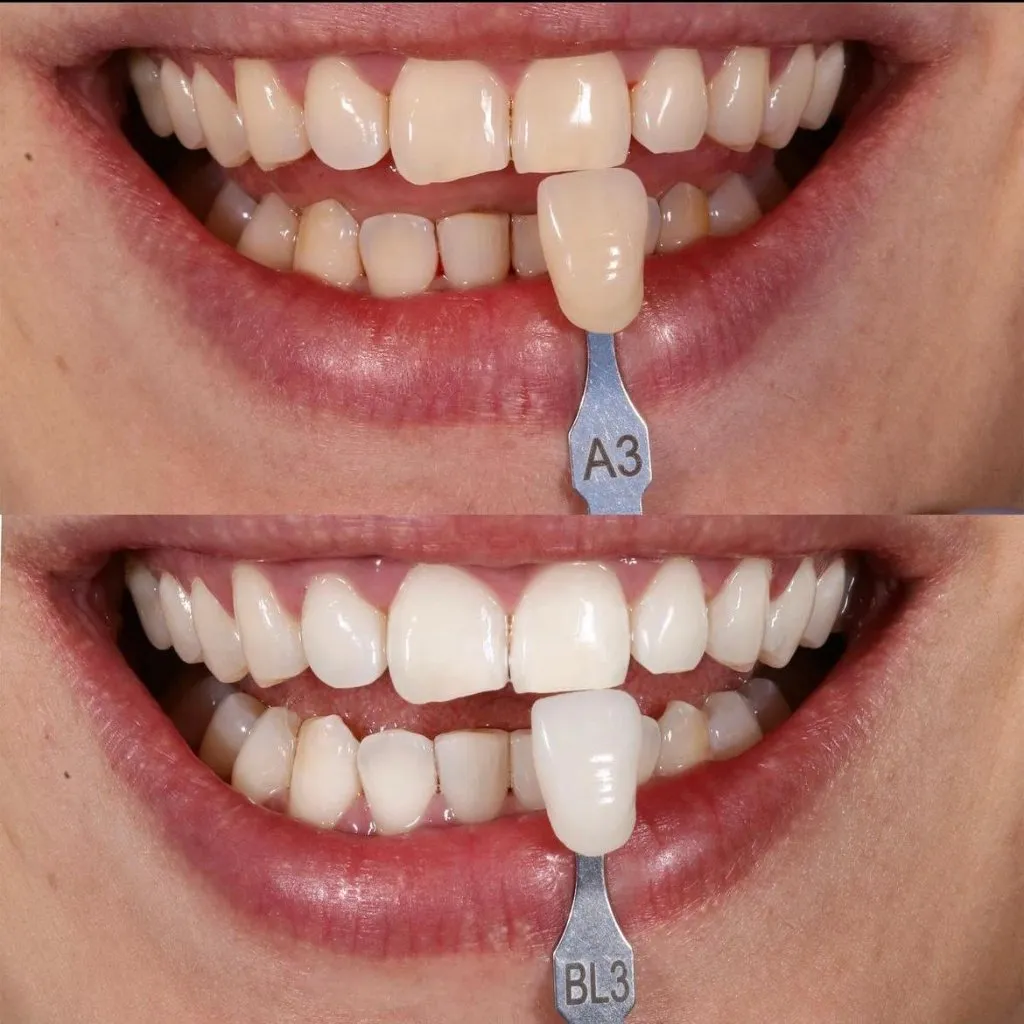
Professional whitening breaks down colour pigments in enamel and dentin through oxidation, making teeth typically 2‑4 VITA shades whiter in a single office session - and up to 6‑8 shades with a combined office + home protocol, depending on the stain type. Unlike whitening toothpastes or over-the-counter strips, a clinical treatment uses medically controlled gel concentrations applied under the supervision of a dentist, which is why the results are both faster and safer.
In short: professional teeth whitening lightens teeth by typically 2‑4 VITA shades in a single 60‑90 minute in-office session - up to 6‑8 shades with a combined office + home protocol over 7‑14 days. Results typically last 1‑2 years with good aftercare.
Why Do Teeth Lose Their Whiteness?
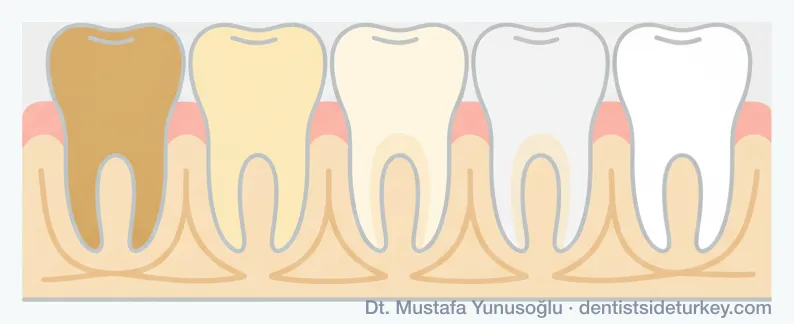
Understanding the cause of discolouration matters, because it determines which whitening method will work best for you. Dentists distinguish between two types of staining:
- Extrinsic stains sit on the outer enamel surface. They are caused by coffee, black tea, red wine, cola, curry, tomato-based sauces and, above all, smoking. These respond extremely well to professional whitening.
- Intrinsic discolouration comes from inside the tooth: natural ageing, certain antibiotics taken in childhood (tetracycline), excess fluoride, or trauma to a tooth. Intrinsic stains whiten more slowly and sometimes need a combined or repeated protocol.
During your first examination the dentist identifies the stain type, checks your enamel and gums, and only then recommends a method. This diagnostic step is a key difference between clinical whitening and buying a kit online.
Teeth Whitening Methods Compared
1. In-Office Whitening
High-concentration gel with LED/laser activation. Results in one session: 60‑90 minutes. The gums are protected with a liquid dam, the gel is applied in two or three cycles, and you can literally watch your teeth get lighter between cycles. This is the method most visitors choose, because it fits into a single holiday afternoon.
2. Home Bleaching
Custom trays with lower-concentration gel. Duration: 7‑14 days. The clinic takes impressions of your teeth and produces trays that fit precisely, so the gel stays on the enamel and away from the gums. You wear the trays for a few hours a day or overnight. Progress is gradual, which some patients with sensitive teeth prefer.
3. Combined Whitening
Office + home for the most effective, longest-lasting results. You start with an in-office session for an immediate jump of several shades, then stabilise and deepen the result at home over the following one to two weeks. If your teeth have stubborn intrinsic staining, this is usually the protocol your dentist will recommend.
The Procedure Step by Step
Here is exactly what happens during an in-office whitening appointment:
- Examination and shade measurement. The dentist checks for cavities, gum inflammation and enamel cracks, then records your starting shade so you can compare afterwards.
- Cleaning. Plaque and surface tartar are removed so the gel can reach the enamel evenly. Skipping this step leads to patchy results.
- Gum protection. A light-cured protective barrier is applied along the gum line, and lips and cheeks are retracted comfortably.
- Gel application. The whitening gel is spread over the front surfaces of the visible teeth.
- Light activation. An LED or laser lamp activates the gel for 15‑20 minutes. This cycle is repeated two or three times with fresh gel.
- Rinse and final shade check. The gel is removed, teeth are rinsed, and the new shade is measured - typically 2‑4 VITA shades lighter after a single session.
- Aftercare briefing. You receive written instructions and, if needed, a desensitising fluoride gel to use at home.
Who Is a Good Candidate?
Whitening works best for healthy adult teeth with extrinsic staining. You are an ideal candidate if your enamel is intact, your gums are healthy, and your discolouration comes from diet, coffee or smoking.
Whitening is not recommended (or needs to be postponed) if:
- You are pregnant or breastfeeding
- You are under 18, as the tooth pulp is still large and sensitive
- You have untreated cavities or active gum disease - these must be treated first
- You have severe, generalised tooth sensitivity
One point many patients overlook: whitening gel only works on natural enamel. Crowns, fillings and veneers keep their original colour. If you have visible restorations in the front, your dentist may suggest whitening first and then replacing the restorations to match the new, whiter shade - or choosing veneers for a uniform result from the start.
Aftercare and Sensitivity Timeline
First 48 hours: the white diet
Immediately after whitening, the enamel pores are open and absorb pigment easily. For the first two days, stick to a strict white diet:
- No coffee, black tea, red wine or cola
- No curry, soy sauce, beetroot, berries or tomato sauce
- No smoking - this is the single biggest cause of rapid re-staining
- Avoid very hot, very cold and acidic drinks, which trigger sensitivity
Days 3‑7: sensitivity fades
Mild, short-lived sensitivity to cold is completely normal and affects most patients to some degree. It peaks in the first 24‑48 hours and disappears within a few days. A fluoride toothpaste for sensitive teeth speeds this up. If you had home trays made, this is when your dentist may have you start or continue the home phase.
Weeks and months: protecting the result
After the first week you can return to your normal diet, ideally with a few habits that protect your investment: drink staining drinks through a straw when practical, rinse with water after coffee or wine, and keep up twice-daily brushing. A professional cleaning every 6 months and a short touch-up every 6 months (usually with your existing home trays) keeps the shade stable.
How Long Do Results Last?
With sensible habits, professional whitening lasts 1‑2 years. Heavy coffee drinkers and smokers sit at the lower end of that range; patients who follow the aftercare advice and do occasional tray touch-ups often stay bright for longer. Because the custom trays from a combined protocol are reusable, maintenance later costs only the price of refill gel.
Expert tip from the clinic: the shade you have immediately after the session settles slightly over the first two weeks as the enamel rehydrates. The colour you see at day 14 is your true result - judge the outcome then, not on day one.
Professional Whitening vs Shop-Bought Kits
Whitening strips, LED kits from social media and charcoal pastes all promise clinic results at pharmacy prices - so why do dentists keep warning against them? The difference comes down to three things:
- Gel concentration. Over-the-counter products are legally limited to very low peroxide levels, which is why they typically shift the shade by one or two tones at most, and often unevenly.
- Fit and gum protection. One-size trays and strips let gel leak onto the gums, causing irritation, and leave gaps on curved or crowded teeth that stay darker than the rest.
- No diagnosis. A kit cannot tell whether your discolouration is a surface stain, a dying tooth or a tetracycline band - and each of those needs a completely different treatment. It also cannot spot the cavity that whitening gel will make extremely painful.
Abrasive options such as charcoal powders and whitening toothpastes deserve a special warning: they do not bleach at all, they simply sand the surface. Used daily, they thin the enamel and eventually make teeth look more yellow, because the darker dentin underneath starts to show through. A professional session delivers a 2‑4 shade result in about an hour instead of a marginal change over weeks.
What If Whitening Alone Is Not Enough?
Bleaching changes the colour of your natural enamel, but it cannot close gaps, fix chips, straighten edges or lighten teeth that are internally discoloured beyond a certain point. In those cases the modern solution is restorative aesthetics: veneers cover the visible surface with a thin ceramic layer in exactly the shade and shape you choose, while a full Hollywood Smile redesigns the whole visible smile zone. Many patients use whitening as a first, minimally invasive step and only move to veneers if the result does not meet their expectations - a strategy we actively encourage, because healthy enamel is always worth preserving. During a consultation Dt. Mustafa Yunusoğlu will tell you honestly which category your case falls into before you commit to anything.
What Decides the Cost of Whitening
We do not publish a price list. The amount in your plan depends on the method (an in-office LED session, a take-home kit or both), your starting shade and how many sessions it takes to reach the shade you want, and whether sensitive teeth or old fillings and crowns at the front need attention, because fillings and crowns do not whiten.
Many visitors combine whitening with other cosmetic work while they are here; veneers and a complete Hollywood Smile are quoted per case in the same plan. Send 2‑3 photos on WhatsApp and within 24 hours you receive a written plan with the full amount. Our page on how we quote explains the process, and the treatment page is teeth whitening in Side, Antalya.
How Many Days Do You Need in Turkey?
Teeth whitening is one of the easiest treatments to fit into a holiday. The in-office session takes 60‑90 minutes, so a single clinic visit is enough - most patients plan 2‑3 days in Side to allow for the initial examination, the whitening session and a relaxed follow-up, with plenty of beach time in between. If you opt for the combined protocol, your custom trays and gel are prepared during your stay and you complete the home phase after you fly back. Our team handles appointment planning around your flights - see how a treatment holiday works on our dental tourism page.
The day count for every treatment, side by side, is on our how many days do you need in Side for dental treatment page.
Get Your Written Treatment Plan
Wondering whether whitening - or a combination of treatments - is right for your smile? Send us a photo and your questions, and Dt. Mustafa Yunusoğlu will personally assess your case and recommend the best protocol. Contact the clinic or message us on WhatsApp for a no-obligation consultation.
By Dt. Mustafa Yunusoğlu, Dentist Side Turkey - Side, Antalya.
Frequently Asked Questions
How much does teeth whitening cost in Turkey?
We quote whitening per case rather than from a list. Your price includes the examination, gum protection, gel application with LED activation and aftercare instructions, and is confirmed in writing before treatment.
How many shades whiter will my teeth get?
Professional whitening typically lightens teeth by 2‑4 VITA shades in a single office session. Up to 6‑8 shades is possible with a combined in-office plus home protocol, depending on the type of staining: coffee and smoking stains respond fastest, while internal discolouration takes longer.
Does teeth whitening hurt?
The procedure itself is virtually painless. Some patients feel mild cold sensitivity for 24‑48 hours afterwards, which fades on its own. A fluoride toothpaste for sensitive teeth and avoiding very hot or cold drinks for two days keeps discomfort minimal.
How long do whitening results last?
Results last 1‑2 years with good habits. Avoiding heavy staining (coffee, red wine, smoking) in the first 48 hours is critical, and a short touch-up with home trays every 6 months keeps the shade stable long-term.
Does whitening work on crowns, fillings or veneers?
No - whitening gel only lightens natural enamel. Crowns, veneers and fillings keep their original colour. If you have visible restorations, your dentist may whiten first and then match new restorations to the brighter shade.
How many days do I need in Side for whitening?
One clinic visit of 60‑90 minutes is enough for in-office whitening. Most patients plan 2‑3 days in Side for the examination, the session and a follow-up, which fits easily into a normal beach holiday.