
The First Days After Veneers: What Is Normal and What Needs a Check
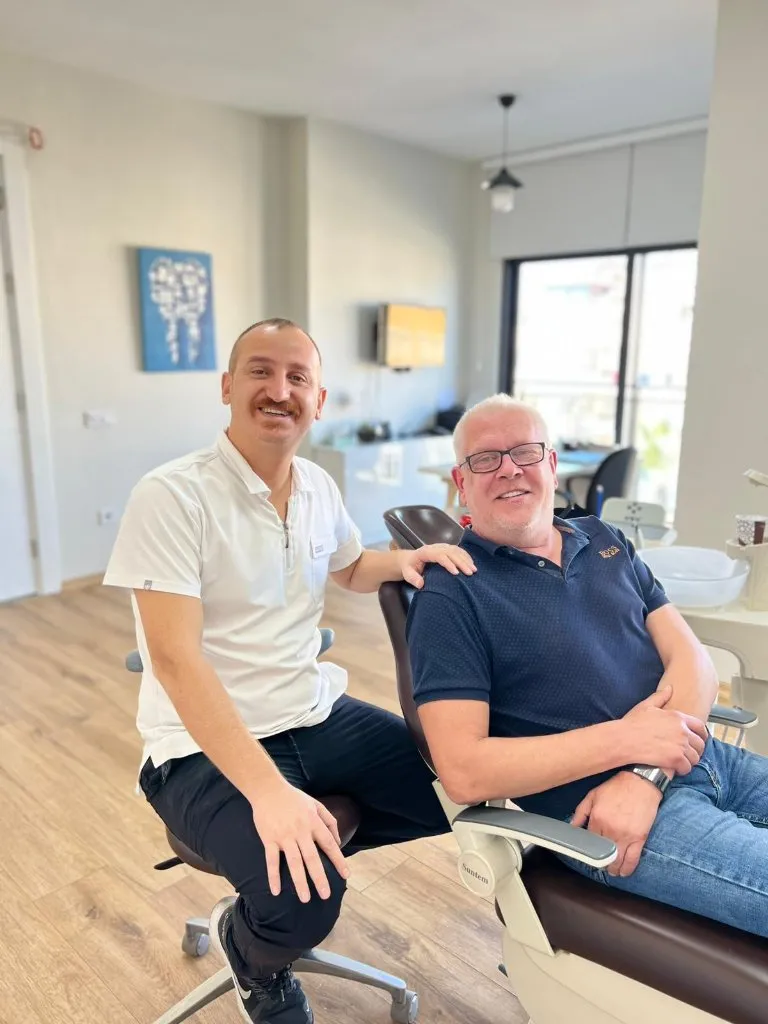
In the first days, new veneers often feel thicker than they look, a few sounds like s and f can come out slightly different, and the teeth may twinge with cold: this is normal and usually settles within days as your tongue and lips adapt. What is not normal is a bite that hits first on the new teeth, pain when you bite, a veneer that moves, a sharp edge that cuts, or throbbing pain. Those need a check, ideally before you fly home: tell us on WhatsApp +90 530 575 47 18 the same day.
Which feelings are normal, and which are not?
The ADA puts it simply: it may take a few days to get used to a veneer, but a bite that does not feel right should be reported so the dentist can correct it. The table sorts the common feelings.
| What you notice | Normal? | What to do |
|---|---|---|
| Teeth feel thicker or "too big" to the tongue | Usually normal | Give it a few days; the tongue adapts. Ask us if it still bothers you after two weeks |
| s, f or th sounds slightly different | Usually normal | Read aloud and talk a lot; it normally settles within days |
| Twinge to cold for a few days | Usually normal | Lukewarm drinks, sensitive toothpaste; see the sensitivity guide below |
| Gum edge slightly sore or red | Usually normal for a few days | Gentle brushing right at the gum line, warm salt rinses |
| Bite hits first on the new teeth, or jaw feels tired | Not normal | Needs a bite adjustment, ideally before your flight |
| Rough edge, floss catches or shreds | Not normal | Needs polishing or removal of excess cement |
| Veneer moves, pain on biting, throbbing pain, swelling, a chip | Not normal | Message us the same day with a photo |
Why do new veneers feel big when they look natural?
Your tongue knows the old shape of your teeth to a fraction of a millimetre, so any change feels larger than it is. With porcelain laminate veneers a thin layer of enamel is removed so that the veneer does not feel bulky, but the edges and the back surface are still new to the tongue. Most people stop noticing within days. If the shape still feels wrong after about two weeks, or your lips do not close comfortably, the contour can often be refined.
Speech works the same way. Sounds like s and f depend on where the tongue and lower lip meet the front teeth, so a slightly longer edge can change them. Reading aloud speeds up the adjustment. A lisp that does not improve is a reason to check the length and the back surface of the front teeth.
Why should a high bite never be ignored?
If the new teeth touch first when you close, every bite loads them more than the others. That can cause pain when chewing, a tired jaw, and in the long run chipping: in a study that followed 318 veneers for up to 20 years, fracture of the ceramic was the main reason for failure, and people who grind their teeth had a 7.7 times higher risk of failure. A bite adjustment takes minutes and is part of the final visit, which is why we check the bite with you awake and sitting up, not just in the chair position.
If you grind or clench, ask about a night guard. The ADA lists grinding and a deep overbite among the situations where veneers need extra protection; our guide on teeth grinding with veneers and crowns explains the options.
What about cold sensitivity and sore gums?
Preparing the enamel and bonding the veneer can leave teeth sensitive to cold for a few days, and the gum right at the edge may be slightly sore after the temporaries and the final cementing. Brush gently but thoroughly at the gum line, use a sensitive toothpaste, and avoid very cold drinks for a while. Our guide to sensitivity after whitening, veneers and crowns describes how long each kind is usually normal. Sensitivity that gets worse rather than better, or turns into throbbing pain, needs a check.
Why can the colour look different in the first days?
During treatment your natural teeth dry out and look lighter, and they regain their normal shade over the following days. Light also changes everything: the same smile looks different in a bathroom mirror, in daylight and in phone photos. Judge the colour after a few days and in daylight. How the shade was chosen in the first place is covered in choosing a tooth shade.
How do you protect new veneers in the first week?
Eat normally but cut hard or crusty food into pieces instead of biting into it with the front teeth, and do not bite nails, pens or bottle caps. Floss once a day. Our page on what to eat after veneers lists sensible choices, and swimming and flying after treatment covers the rest of the holiday.
When is an adjustment the wrong answer?
Not every complaint is fixed by grinding the veneer. If a tooth under a veneer develops throbbing pain or swelling, the nerve may be inflamed and the tooth needs to be checked, sometimes with an X-ray; in Beier's study, teeth with a non-vital nerve had a higher failure risk. If you dislike the overall shape or length of the smile, that is a design question to discuss calmly, not something to fix in a rush on the last morning. And if a problem appears after you are home, a local dentist may be the faster first stop for pain; send us photos too, so we can advise what is covered.
Plan a check before your flight
Veneers take about 5‑7 days, with temporaries while the laboratory works, and the final visit includes the bite adjustment and polishing. Ask for a short check the day after placement, before you fly, and use it: mention anything that feels high, rough or strange. The full sequence is in how many days you need, and what happens after you are home, including the 5-year written guarantee on veneers, is in after you fly home.
Long-term, the evidence is reassuring: a 2025 meta-analysis of 29 studies found pooled survival of about 96% for feldspathic and lithium disilicate veneers after about 10 years. More on lifespan in how long veneers last. If something feels wrong now, message us on WhatsApp or use the contact page.
Frequently Asked Questions
Is it normal for new veneers to feel big?
Yes, for the first days. Your tongue notices any change in shape, so new edges and back surfaces feel larger than they are. Most people stop noticing within days. If it still bothers you after about two weeks, the contour can often be refined.
Why do I lisp after getting veneers?
Sounds like s and f depend on how the tongue and lower lip meet the front teeth, so a small change in length or thickness can alter them. Reading aloud helps you adapt, usually within days. A lisp that does not improve is a reason to check the length and back surface.
My bite feels high after veneers. Will it settle?
No, do not wait for a high bite to settle. The ADA advises telling your dentist if your bite does not feel right after placement so it can be corrected. A high spot overloads the veneer and can lead to pain or chipping; an adjustment takes minutes.
How long is sensitivity normal after veneers?
A twinge to cold for a few days is common after enamel preparation and bonding. Use a sensitive toothpaste and avoid very cold drinks. Sensitivity that gets worse, or turns into throbbing pain, needs a check.
Can veneers look a different colour after a few days?
The natural teeth next to them dry out during treatment and look lighter, then regain their usual shade over the following days. Judge the result in daylight after a few days rather than in the bathroom mirror on the first evening.
What should I avoid in the first week with veneers?
Biting into hard or crusty food with the front teeth, biting nails, pens or bottle caps, and very cold drinks if the teeth are sensitive. Eat normally otherwise, brush gently at the gum line and floss daily. If you grind, ask about a night guard.
What if a problem appears after I fly home?
Send a photo and a short description on WhatsApp +90 530 575 47 18, answered at any hour. For pain or swelling, a local dentist may be the faster first stop. Veneers placed at our clinic carry a 5-year written guarantee.
Sources
- Beier et al. (2012), Int J Prosthodont: Clinical performance of porcelain laminate veneers for up to 20 years
- Klein et al. (2025), J Esthet Restor Dent: Survival and complication rates of ceramic laminate veneers, systematic review and meta-analysis
- ADA MouthHealthy: Veneers
- Oral Health Foundation: Veneers