
How Long Do Veneers Last? What the Studies Show and What Makes Them Last Longer
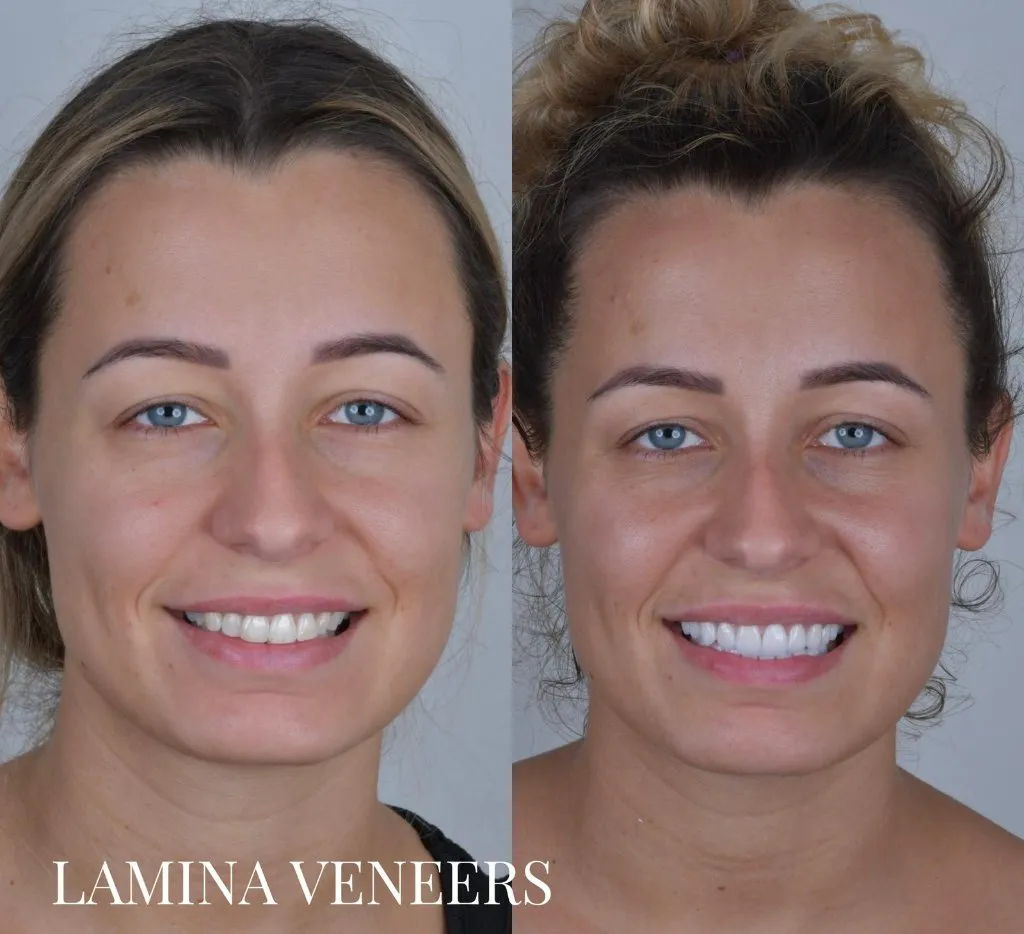
Porcelain veneers usually last 10‑15 years, and many last longer. Long-term studies put their survival after about ten years in the mid-90s per cent for modern ceramics. Whether yours reach the upper end depends less on luck than on three things: the material and design chosen for your bite, whether you grind your teeth, and how you look after the gums around them.
What do long-term studies say about veneer survival?
That ceramic veneers are among the most durable cosmetic treatments in dentistry. A 2025 meta-analysis that pooled 29 studies found survival of about 96% for feldspathic porcelain and about 97% for lithium-disilicate ceramic, the e.max family, after an average of 10.4 years. Lithium disilicate also had the lowest rate of technical and aesthetic complications. An earlier 2016 meta-analysis of 13 studies estimated overall survival at 89% after a median of nine years, with glass ceramics at 94%.
| Veneer type | What studies report | Typical weak point |
|---|---|---|
| Lithium-disilicate ceramic (e.max) | About 97% survival at around 10 years | Fewest complications of the ceramics studied |
| Feldspathic porcelain | About 96% survival at around 10 years | More chipping and colour changes at the edges |
| Composite veneers | 88% survival in trials of 2 to 8 years | Surface roughness, staining, colour mismatch |
Survival means the veneer is still in place. It does not mean nothing ever happened to it. Small chips, a stained edge or a veneer that came loose and was re-bonded all count as survivals, which is why care and check-ups matter even with excellent numbers.
What makes veneers fail early?
The 2016 meta-analysis counted the problems. Chipping or fracture was the most common, at about 4% of veneers, followed by debonding at about 2%, and new decay, severe staining at the edge and nerve problems at around 1‑2% each. Behind those figures sit a handful of habits and choices.
Grinding and clenching are the biggest. A thin veneer whose edge is hit by the opposite tooth every night is the one that chips. Our post on teeth grinding and veneers explains how the material, the bite and a night guard are planned around it.
Using teeth as tools comes next: opening bottles, biting thread, cracking nuts or chewing ice. Ceramic is strong under even pressure and less forgiving of sudden point loads.
Gum problems are the quiet one. If the gum around a veneer becomes inflamed and recedes, the edge shows, decay can start at the margin and the smile looks older. Healthy gums before and after treatment matter as much as the ceramic.
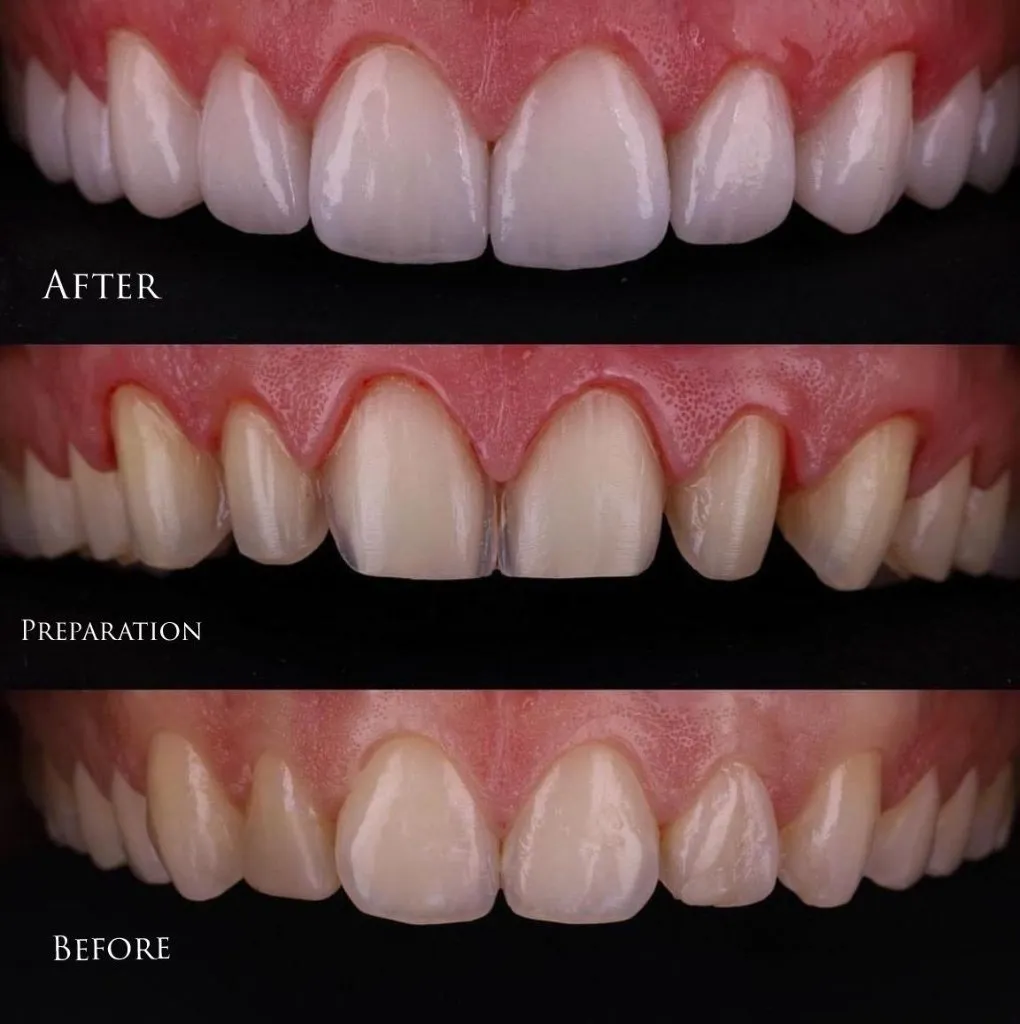
Which daily habits keep veneers looking new?
Most of them are what you would do for natural teeth anyway. Brush twice a day with a soft brush along the gum line, and clean between the teeth every day with floss or small interdental brushes, because the edges of veneers sit at the gum. A normal fluoride toothpaste is fine; very abrasive whitening pastes are not needed, since porcelain does not whiten and can lose its glaze over time.
Coffee, tea and red wine do not stain glazed porcelain the way they stain natural teeth, but they can darken the thin line of bonding cement at the edge and any natural teeth next to the veneers. Rinsing with water afterwards helps. If you smoke, expect the edges and your untreated teeth to darken faster.
See a dentist or hygienist for a check-up and cleaning every six to twelve months at home, and tell them you have porcelain veneers so that the cleaning is gentle on the surface. Follow-up with us after you fly home is described in aftercare and the guarantee.
When is a veneer the wrong choice for lasting results?
When the tooth is already heavily filled or broken down, a veneer has little enamel to bond to and a crown is usually the longer-lasting answer. When the gums are inflamed or receding, they need treatment first. And when the only problem is colour on healthy teeth, whitening removes nothing and may be all you need; our guide to yellow teeth: whitening, bonding or veneers helps you tell the difference.
Composite veneers are a reasonable choice for small corrections or a lower-commitment change, but they need more polishing and are replaced sooner than porcelain. The trade-offs between the options are set out in veneers, crowns or bonding.

What happens when a veneer chips or comes off?
Keep the veneer if it comes off whole, avoid biting on that tooth and contact a dentist. A veneer that has come off cleanly can often be re-bonded. A small chip can usually be polished or repaired with composite. A large fracture means replacing that veneer, ideally matched to the others. If it happens while you are on holiday near Side, the emergency dentist page explains what to do.
Veneers at our clinic carry a written guarantee of 5 years, and the guarantee terms are explained with your written plan. How long they last beyond that is largely in the habits above.
How do you plan veneers that last?
Send 2‑3 photos on WhatsApp and mention grinding, gum bleeding or old fillings on the front teeth. Dt. Mustafa Yunusoğlu reviews every case personally and the written plan within 24 hours says which teeth suit veneers, which need crowns and which need nothing at all.
Veneers take 5‑7 days with two appointments, as described on the porcelain veneers page; real cases are in the smile gallery, and the contact page lists every way to reach us. Results depend on each case and the examination.
Frequently Asked Questions
How long do porcelain veneers last?
Usually 10‑15 years, and often longer. A 2025 meta-analysis found about 96‑97% of modern ceramic veneers still in place after an average of 10.4 years. Grinding, using teeth as tools and gum disease are the main reasons veneers fail earlier.
Do composite veneers last as long as porcelain?
No. Composite veneers had a pooled survival of 88% in trials followed for 2 to 8 years, and they roughen and stain more over time. They suit small corrections or a lower-commitment change, but are polished more often and replaced sooner than porcelain.
Can veneers stain from coffee or wine?
Glazed porcelain resists staining much better than natural teeth, but the thin bonding line at the edge and the natural teeth next to the veneers can darken. Rinsing with water after coffee, tea or red wine and regular professional cleaning keep them even.
What should I avoid with veneers?
Opening bottles or packets with your teeth, biting thread or nails, cracking nuts and chewing ice. If you grind your teeth, wear the night guard you are given. Very abrasive whitening toothpastes are unnecessary, because porcelain does not whiten.
What if a veneer comes off?
Keep it, avoid biting on that tooth and contact a dentist. A veneer that comes off whole can often be re-bonded; a small chip can usually be polished or repaired. A large fracture means that veneer is replaced and matched to the others.
Do veneers need special cleaning?
No special products, just thorough daily care: a soft toothbrush twice a day along the gum line, cleaning between the teeth every day, and a check-up and cleaning every six to twelve months. Tell the hygienist you have porcelain veneers.
Is there a guarantee on veneers?
Yes. Veneers at Dentist Side Turkey carry a written guarantee of 5 years. The terms are explained with your written plan, which you receive within 24 hours of sending 2‑3 photos on WhatsApp to +90 530 575 47 18.
Sources
- Klein et al. (2025), J Esthet Restor Dent: Survival and complication rates of ceramic laminate veneers, systematic review and meta-analysis
- Morimoto et al. (2016), Int J Prosthodont: Main clinical outcomes of feldspathic porcelain and glass-ceramic laminate veneers, systematic review and meta-analysis
- Lim et al. (2023), J Evid Based Dent Pract: Survival and complication rates of resin composite laminate veneers, systematic review and meta-analysis
- Oral Health Foundation: Veneers
- ADA MouthHealthy: Veneers