
Gap Between Your Front Teeth: Bonding, Veneers or Braces?
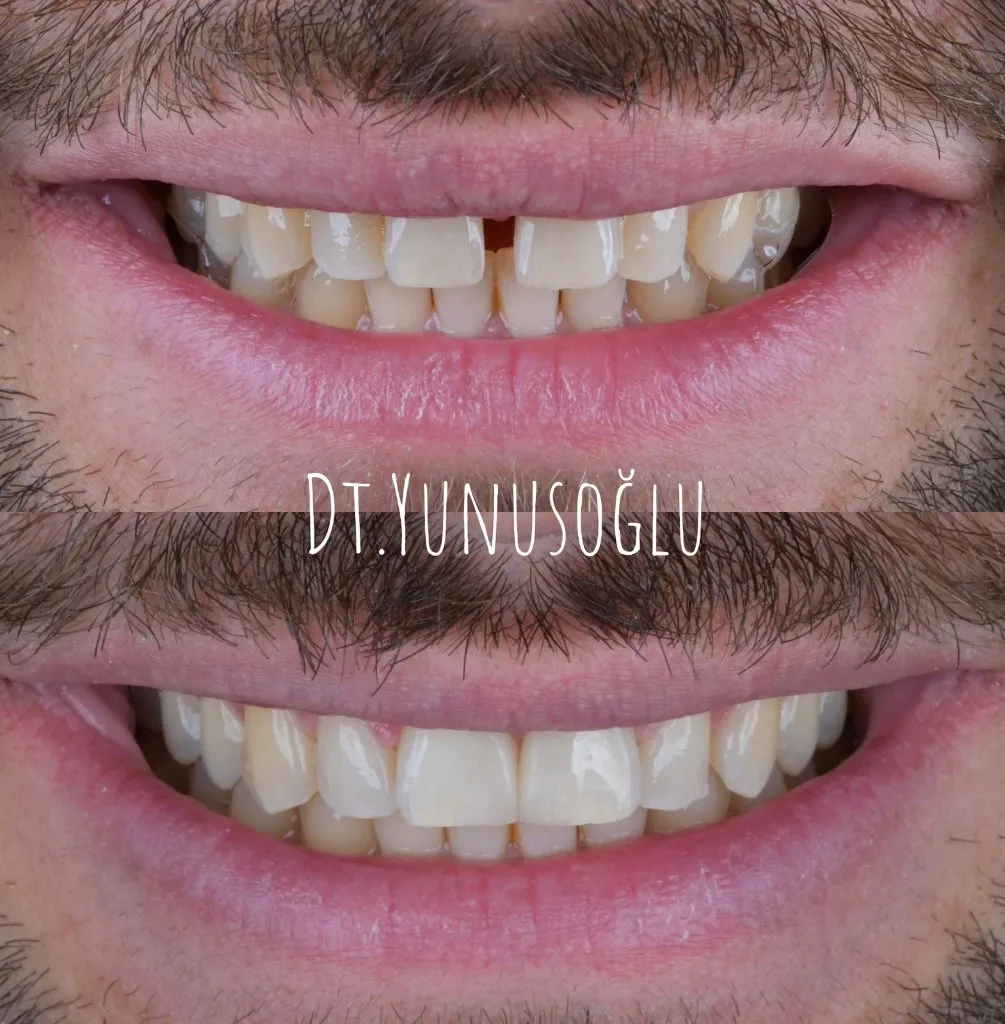
A small gap between two front teeth can often be closed with bonding in a single visit, without removing any enamel. Veneers make sense when the gap comes with other things you want to change, such as colour, shape or uneven edges. Braces or aligners are the right answer when the teeth themselves are in the wrong place. And a gap that has appeared recently in an adult should be checked for gum disease before anything is closed.
Which option suits which kind of gap?
It depends on the size of the gap, the shape of the teeth on either side, and whether the gap is the only thing you want to change.
| Your situation | Usual first choice | Why |
|---|---|---|
| One small gap, teeth otherwise fine | Bonding | One visit, little or no enamel removed, reversible |
| Several small gaps | Bonding or veneers | Depends on how even the result needs to be |
| Gap plus colour or shape you dislike | Veneers | One treatment changes all three |
| Large gap, teeth well placed but narrow | Veneers, sometimes with orthodontics first | Closing it with material alone can make teeth look too wide |
| Teeth spaced because they are in the wrong position | Orthodontics (braces or aligners) | Moves the teeth instead of widening them |
| A gap that is new or growing | Gum examination first | Can be a sign of gum disease |
How does bonding close a gap?
Tooth-coloured composite is added to the sides of the teeth next to the gap and shaped by hand until the gap is gone and the teeth look balanced. It is done in one session of 30‑90 minutes, usually without anaesthesia, and little or no enamel is removed, so it can be adjusted or removed later. The colour is matched to your teeth on the day, which is why any whitening should come first.
The trade-off is durability. Composite bonding lasts about 5‑7 years and can pick up stains from coffee, tea and smoking. In randomised trials, composite veneers had a pooled survival of 88% over 2 to 8 years, with roughness and discolouration as the usual problems. Polishing at check-ups keeps it looking good for longer. The treatment is described on the aesthetic fillings and bonding page.
When are veneers the better choice?
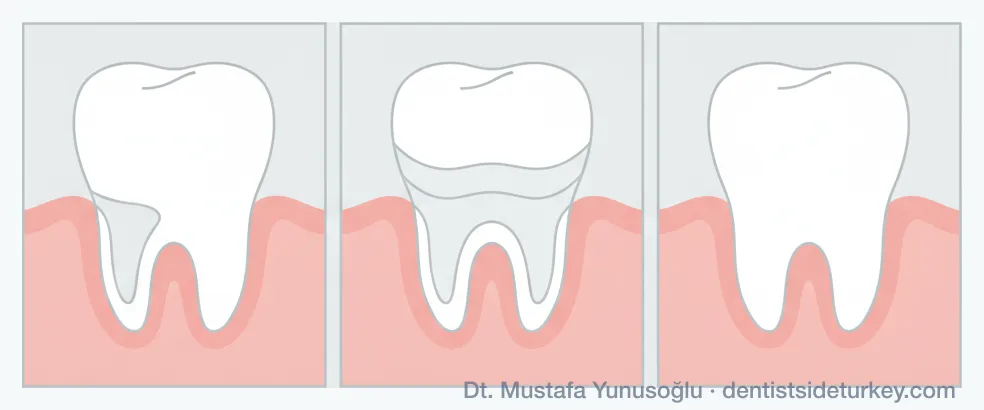
When you want more than the gap closed. If the teeth are also discoloured, worn or uneven, veneers change colour, shape and spacing in one treatment and last longer than composite. A 2016 meta-analysis estimated ceramic veneer survival at 89% after a median of nine years, and 94% for glass ceramics. Veneers need 0.3‑0.5 mm of enamel shaping, take 5‑7 days with two appointments and carry a written guarantee of 5 years.
A large gap needs care. Closing it with ceramic or composite alone means making the teeth on either side wider, and past a certain point they stop looking like front teeth. In that case some orthodontic movement first, and veneers afterwards, gives a better result. How many teeth to include for an even smile is covered in how many veneers you need, and the three options are compared in veneers, crowns or bonding.
When are braces or aligners the right answer?
When the gap exists because the teeth are spaced out or have drifted, rather than because they are small. Moving the teeth closes the gap without adding material or removing enamel. Orthodontic treatment takes months and needs regular adjustments, so it is usually best done with an orthodontist near where you live. Bonding or veneers can then refine the shape at the end if needed.
When should a gap not be closed straight away?
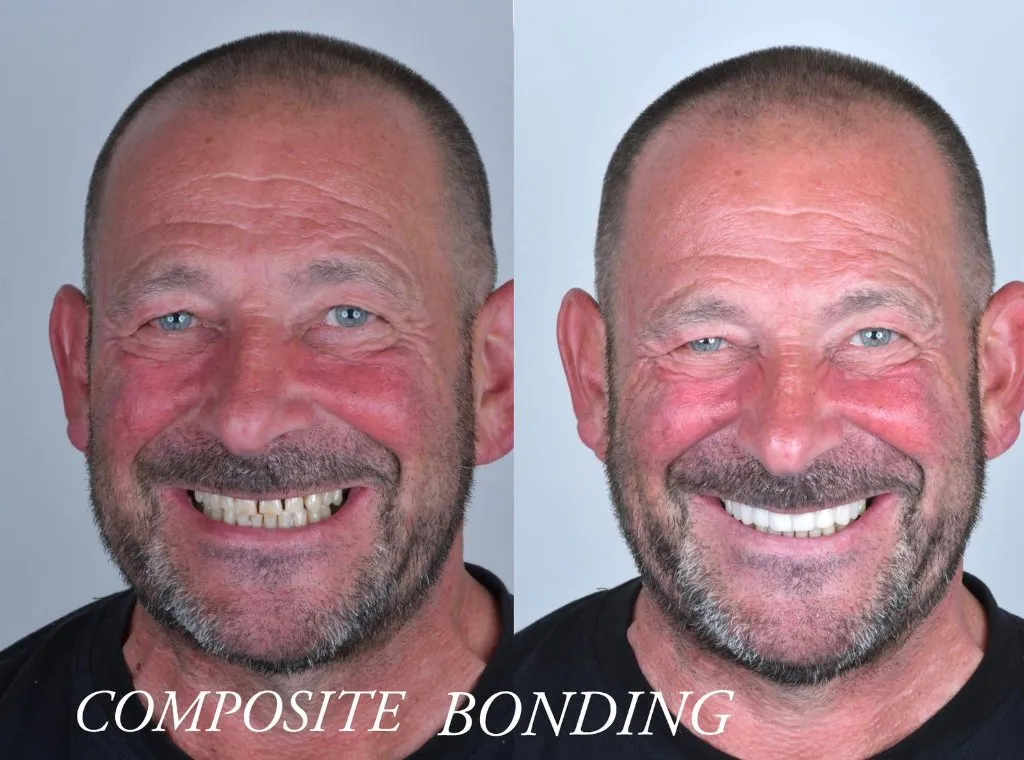
When it is new. Front teeth that start to spread apart in an adult can be a sign of gum disease: as the bone that holds them is lost, they drift and fan out. Closing that gap with bonding hides the symptom and leaves the cause. The Oral Health Foundation describes bleeding gums and teeth that move as signs to have checked. Our post on gums before veneers explains why the gums come first.
It also makes sense to wait if you plan to whiten, because bonding and veneers are colour-matched on the day and will not lighten later. And if the gap does not bother you, it is perfectly fine to keep it. Many people do.
How do you find out which option suits your gap?
Send 2‑3 photos on WhatsApp, taken in daylight with your front teeth clearly visible, and say whether the gap is new or has always been there. Dt. Mustafa Yunusoğlu reviews every case personally and the written plan within 24 hours says which option fits, how many teeth to include and how long it takes. Bonding needs a single visit; veneers 5‑7 days.
Real results, including a closed front gap, are in the smile gallery; the veneer treatment is on the porcelain veneers page, and the contact page lists every way to reach us. Results depend on each case and the examination.
Frequently Asked Questions
Can a gap between front teeth be closed without veneers?
Often yes. Bonding adds tooth-coloured composite to the sides of the teeth and closes a small gap in one session of 30‑90 minutes, usually without anaesthesia and with little or no enamel removed. Orthodontics can also close gaps by moving the teeth.
How long does bonding last on a front gap?
About 5‑7 years, and it can stain from coffee, tea and smoking. Polishing at check-ups keeps it looking good for longer. Porcelain veneers last longer, usually 10‑15 years, but need enamel shaping.
Bonding or veneers for a gap?
Bonding suits a small gap on otherwise good teeth. Veneers suit a gap that comes with colour, shape or wear you also want to change. A large gap may need orthodontic movement first, because closing it with material alone can make the teeth look too wide.
Is a gap between front teeth a problem?
Usually not; many people keep theirs. A gap that has appeared recently or is getting wider is different: in adults it can be a sign of gum disease and should be examined before anything is closed.
Can I close the gap in one visit?
With bonding, yes: one session of 30‑90 minutes. Veneers need two appointments within 5‑7 days. Orthodontic treatment takes months and is usually best done near where you live.
Should I whiten before closing the gap?
If you want a brighter shade, yes. Bonding and veneers are colour-matched to your teeth on the day and do not lighten later, so whitening first and then matching gives an even result.
How do I find out which option suits me?
Send 2‑3 daylight photos on WhatsApp to +90 530 575 47 18 and say whether the gap is new. Dt. Mustafa Yunusoğlu reviews them personally and the written plan within 24 hours says which option fits and how long it takes.
Sources
- Lim et al. (2023), J Evid Based Dent Pract: Survival and complication rates of resin composite laminate veneers, systematic review and meta-analysis
- Morimoto et al. (2016), Int J Prosthodont: Main clinical outcomes of feldspathic porcelain and glass-ceramic laminate veneers, systematic review and meta-analysis
- Oral Health Foundation: Veneers
- ADA MouthHealthy: Veneers
- Oral Health Foundation: Gum disease