
Implant Straight After an Extraction, or Wait? How Immediate Implants Work
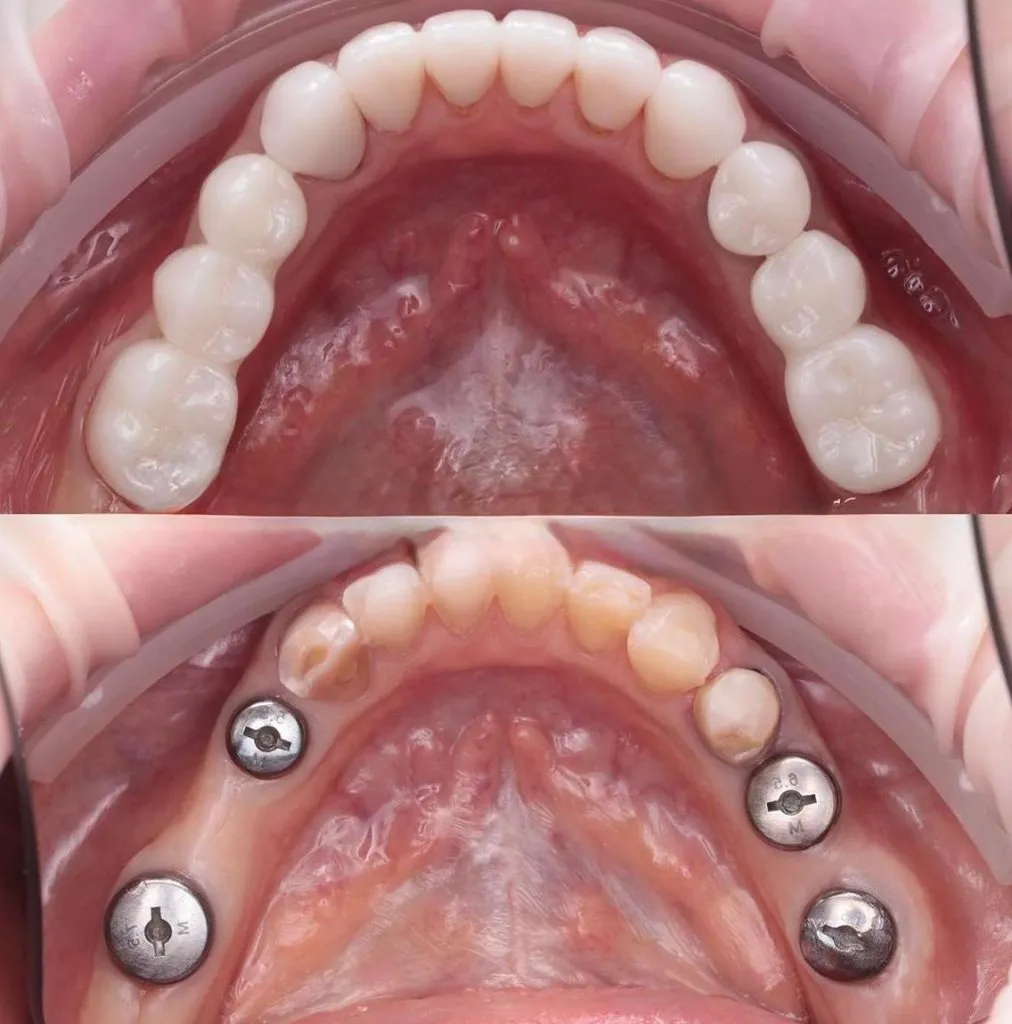
Often, yes: when the tooth comes out cleanly, the bone walls of the socket are intact, there is no spreading infection and there is enough bone beyond the socket to hold the implant firmly, the implant can go in on the same day, which saves a second surgery and shortens the overall time. A systematic review found a 2-year survival of 98.4% for such immediate implants. When those conditions are not met, waiting a few weeks or months for the socket to heal is the safer route. Either way, the final crown follows only after the bone has healed, typically 2‑4 months later, up to 6 in the upper jaw.
Immediate, early or delayed: what is the difference?
| Timing | When the implant goes in | Usually chosen when |
|---|---|---|
| Immediate | Same day as the extraction | Clean extraction, intact walls, enough bone beyond the socket, no spreading infection |
| Early | After a few weeks of soft tissue healing | Infection to settle, gum to close over the socket |
| Delayed | After several months of bone healing | Large infection, damaged walls, bone graft needed first |
| Full arch (All-on-4) | Same session as the extractions | Several failing teeth replaced by a fixed bridge on four implants |
What does the evidence say?
A systematic review of implants placed immediately into fresh extraction sockets found an annual failure rate of 0.82%, which corresponds to a 2-year survival of 98.4%. Groups that received a course of antibiotics after surgery had fewer failures, and gum and bone changes happened mostly in the first months and then settled, with bone loss generally under 1 mm in the first year. The authors also called for attention to the aesthetic result, which matters most for front teeth. For whole arches, an overview of 8 systematic reviews found cumulative survival between 94.8% and 99.3% for All-on-4, where implants are typically placed in the same session as the extractions; see All-on-4.
When does an immediate implant make sense?
When the tooth cannot be saved, comes out without breaking the bone around it, the infection is limited, and a 3D scan shows enough bone beyond the root tip and toward the neighbouring structures. It saves one surgery and the healing time of an empty socket. A CBCT scan is what shows this; our article on dental X-rays and CBCT explains the dose involved. Whether the tooth really has to go is a separate question: see root canal or extraction and implant.
When is waiting the better choice?
We place implants immediately whenever the conditions are right, and we still often recommend waiting: with a large abscess or swelling, a missing or thin outer bone wall, not enough bone beyond the socket, or when a graft is needed first; see not enough bone for implants. Smoking and poorly controlled diabetes also argue for caution; see implants with smoking, diabetes or gum disease. An implant forced into a poor site to save a few weeks is the wrong trade.
What do you wear in between?
For a back tooth the gap is often left as it is while it heals. For a front tooth you leave with a temporary tooth, either fixed or removable, so that nobody sees a gap; our article on temporary teeth during treatment describes the options. Eat soft food on the other side at first; what to eat after implants has the details, and dry socket after an extraction explains what is and is not normal pain.
How many trips does it take?
Usually two, whichever timing is chosen, because the bone needs 2‑4 months (up to 6 in the upper jaw) to fuse with the implant before the final crown. An immediate implant saves a separate surgery and some healing time, not the second trip. The exact days are in how many days you need, and the full picture of implant treatment is on the dental implants page. Implants carry a 10-year written guarantee.
Find out whether it suits your tooth
A recent X-ray of the tooth, or better a 3D scan, shows whether an immediate implant is likely. Send it on WhatsApp; the written plan arrives within 24 hours. You can also use the contact page.
Frequently Asked Questions
Can an implant be placed on the same day as an extraction?
Often, yes, when the tooth comes out cleanly, the bone walls are intact, there is no spreading infection and there is enough bone beyond the socket to hold the implant firmly. Otherwise the site heals first.
Are immediate implants as successful as delayed ones?
A systematic review found a 2-year survival of 98.4% for implants placed immediately into fresh sockets, with lower failure rates when antibiotics were given after surgery. Careful case selection is what makes those results possible.
Do I get a new tooth on the same day?
For front teeth you leave with a temporary tooth so there is no visible gap. The final crown follows after the bone has healed, typically 2‑4 months later, up to 6 in the upper jaw.
Does an immediate implant save a trip to Turkey?
It saves a separate surgery and some healing time, but usually not the second trip, because the final crown still waits for the bone to fuse with the implant.
When is an immediate implant not possible?
With a large abscess or swelling, a missing or thin outer bone wall, too little bone beyond the socket, or when a bone graft is needed first. Then the socket heals and the implant follows weeks or months later.
Is All-on-4 an immediate implant?
Yes, in the sense that the four implants are typically placed in the same session as the extractions, and you leave with a fixed temporary bridge. The final bridge follows after healing.
How do I find out if it suits my tooth?
Send a recent X-ray, or better a 3D scan, to WhatsApp +90 530 575 47 18. The written plan arrives within 24 hours, and implants carry a 10-year written guarantee.
Sources
- Lang et al. (2012), Clin Oral Implants Res: Survival and success rates of implants placed immediately into fresh extraction sockets after at least 1 year, systematic review
- Figueiredo et al. (2025), Oral Maxillofac Surg: Rehabilitation of edentulous jaws using the All-on-Four treatment concept, an overview of systematic reviews
- Ludlow et al. (2015), Dentomaxillofac Radiol: Effective dose of dental CBCT, a meta analysis