
Teeth Sensitive to Cold: Common Causes, Home Care and When to See a Dentist
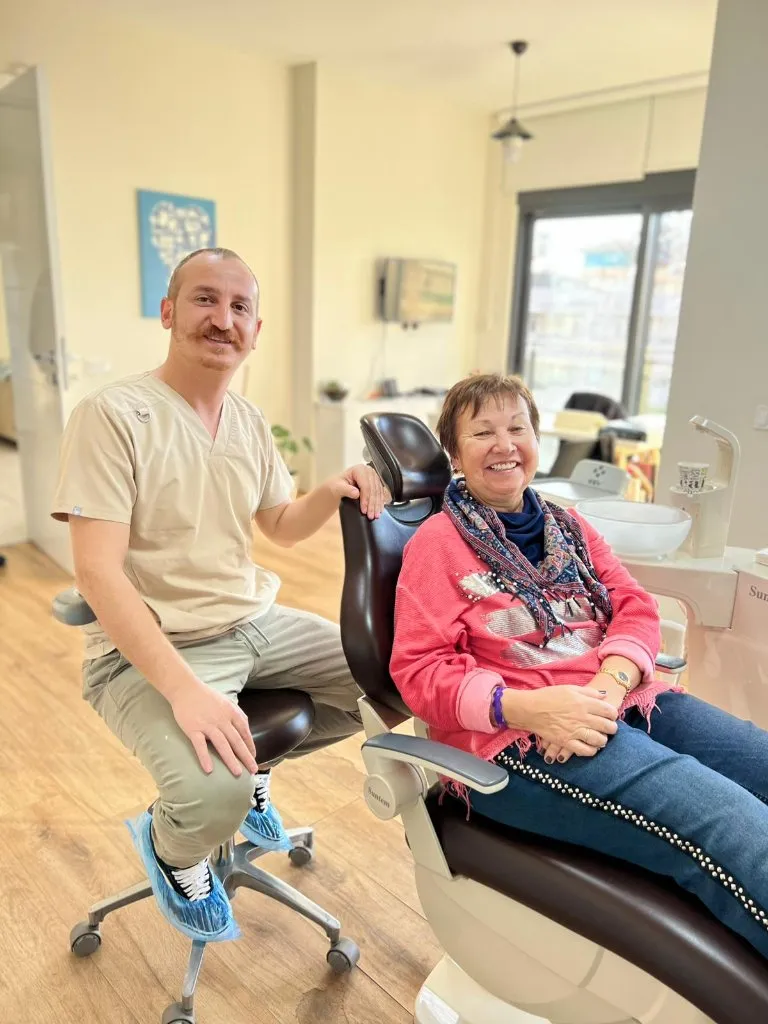
A short, sharp twinge from cold drinks or cold air that fades within seconds usually comes from exposed dentine: the layer under the enamel, with tiny channels leading to the nerve. It is common and usually manageable with a sensitive toothpaste, a softer brushing technique and fewer acidic drinks. Pain that lingers after the cold has gone, that sits in one tooth, or that comes on suddenly is different: that can be decay, a crack or an inflamed nerve, and it needs a dentist.
Sensitivity or something else?
| What you feel | Likely cause | What to do |
|---|---|---|
| Short twinge on several teeth, near the gum line | Exposed dentine from wear or receding gums | Sensitive toothpaste, gentle brushing, less acid |
| Twinge in one tooth with a hole or dark spot | Decay | Filling |
| Sharp pain on biting, especially on release | Cracked tooth | Examination soon |
| Pain that lingers for minutes after cold or heat | Inflamed nerve | Dentist within days; possibly root canal |
| Sensitivity after whitening, a filling or a crown | Usually temporary irritation | Wait and use sensitive toothpaste; check if it lasts |
Why do teeth become sensitive to cold?
Enamel insulates the tooth. When it wears thin, or when gums recede and expose the root surface, which has no enamel, cold reaches the fluid in the dentine channels and the nerve reacts. The Oral Health Foundation lists the usual causes: brushing too hard, gum recession, acid wear from fizzy drinks, juices, citrus or stomach acid, brushing straight after acidic food, gum disease, grinding, cracked teeth and whitening. A large European study of 3,187 young adults found that 41.9% felt pain when a tooth was tested with cold air, and linked sensitivity strongly to erosive wear and gum recession, as well as to reflux, vomiting, energy drinks, smoking and acidic diets.
What helps at home?
Use a toothpaste with potassium nitrate, potassium citrate or stannous fluoride, and keep using it: it works by blocking the dentine channels, and the effect fades if you stop. Spit after brushing but do not rinse with water. At night, rub a little of the toothpaste onto the sensitive area and leave it. Use a soft brush with small, gentle movements, and wait at least an hour after acidic food or drinks before brushing. Cut down on fizzy drinks, juices and sports drinks, and drink them with a meal rather than sipping all day. Most people notice a difference within a few weeks.
What can a dentist do?
When home care is not enough, the dentist can paint a desensitising varnish or high-fluoride treatment onto the exposed areas, prescribe a high-fluoride toothpaste, or cover worn notches at the gum line with a thin tooth-coloured filling. Gum disease that is causing recession is treated first: see gum disease before cosmetic work. If you grind, a night guard protects the enamel that is left; teeth grinding explains why. If the nerve is inflamed beyond recovery, root canal treatment ends the pain for good.
What about sensitivity after dental treatment?
After whitening, a new filling, a crown or veneers, some sensitivity to cold for a few days is common and usually settles. Our article on sensitivity after whitening, veneers or crowns explains what is normal and when to check. If you plan to whiten on holiday, teeth whitening on holiday covers how to keep the twinges down.
When should you see a dentist?
The Oral Health Foundation advises seeing a dentist if the pain is severe, lasts more than a few weeks, affects only one tooth or comes on suddenly. Add to that: pain on biting, swelling, or pain that wakes you at night. A tooth that hurts on biting may be cracked; read a cracked tooth. If it happens on holiday, toothache on holiday helps you judge how urgent it is, and the emergency dentist page explains how to reach us.
When is treatment the wrong answer?
When the sensitivity is mild and improving with toothpaste, no drilling or filling is needed. Veneers or crowns are not a treatment for sensitivity on their own, and placing them on sensitive teeth without finding the cause can make things worse. The cause comes first: acid, brushing, grinding or gums.
Ask us about a sensitive tooth
Describe what you feel on WhatsApp, with a photo if you can; WhatsApp is answered at any hour, and you will get a clear answer about whether it can wait. You can also use the contact page.
Frequently Asked Questions
Why are my teeth suddenly sensitive to cold?
Often because enamel has worn or gums have receded and exposed dentine. If it is one tooth, came on suddenly, or the pain lingers, it may be decay, a crack or an inflamed nerve and needs a dentist.
Which toothpaste helps sensitive teeth?
One containing potassium nitrate, potassium citrate or stannous fluoride. Use it every day, spit without rinsing, and rub a little onto the sensitive area at night. The effect fades if you stop.
How long does it take for sensitive toothpaste to work?
Most people notice a difference within a few weeks of daily use. If there is no improvement after a few weeks, see a dentist.
Is sensitivity to cold a sign of a cavity?
It can be, especially if it is in one tooth with a visible hole or dark spot. Sensitivity on several teeth near the gum line is more often exposed dentine.
Can a dentist stop tooth sensitivity?
Usually yes. Options include desensitising varnish, high-fluoride toothpaste, a thin filling over worn notches at the gum line, treating gum disease, a night guard for grinding, or root canal treatment if the nerve is inflamed.
Is sensitivity after whitening normal?
Yes, some sensitivity to cold for a few days after whitening is common and usually settles. A sensitive toothpaste before and after helps.
How can I ask Dentist Side Turkey about a sensitive tooth?
Describe it on WhatsApp +90 530 575 47 18, with a photo if possible. WhatsApp is answered at any hour.